 EN
EN

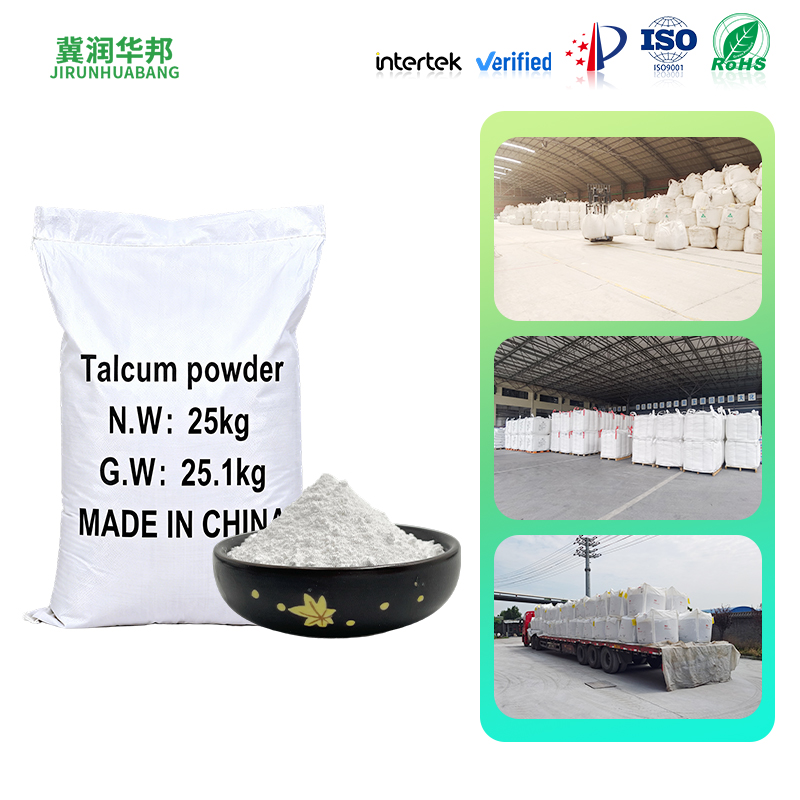
Talc powder is a natural layered silicate mineral filler widely used in the plastic manufacturing field. Through ultra-fine grinding and purification processing, it features unique sheet structure, high temperature resistance, stable chemical performance and excellent dispersion. Different from ordinary fillers, talc powder not only reduces production costs, but also greatly improves the physical strength, structural stability and processing performance of various plastic products. It is compatible with PP, PE, PVC, ABS and other common plastic raw materials. This article explains its core functions and practical advantages in plastic production in simple and easy-to-understand language.
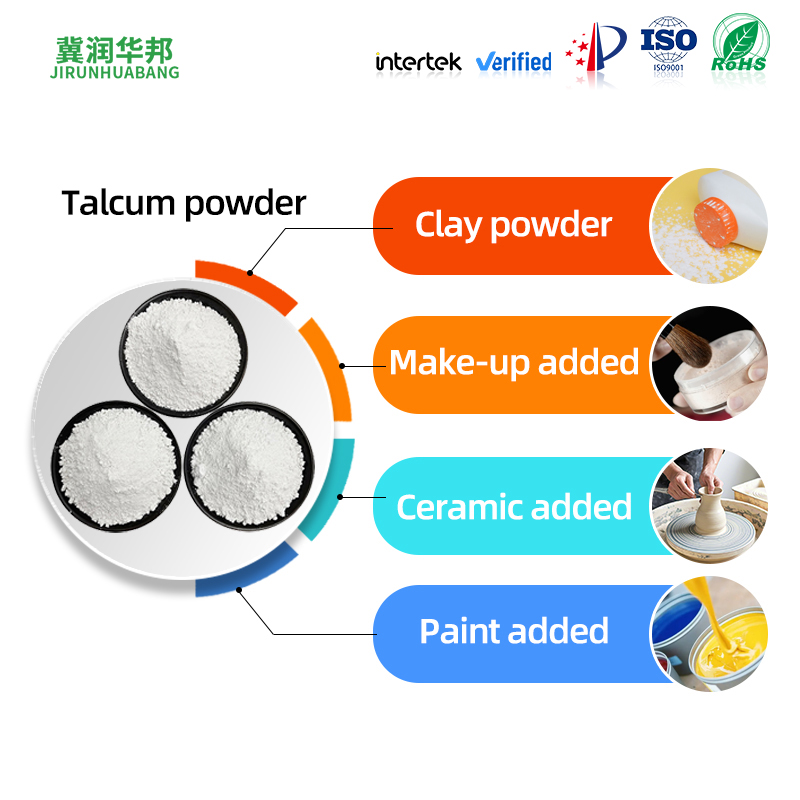
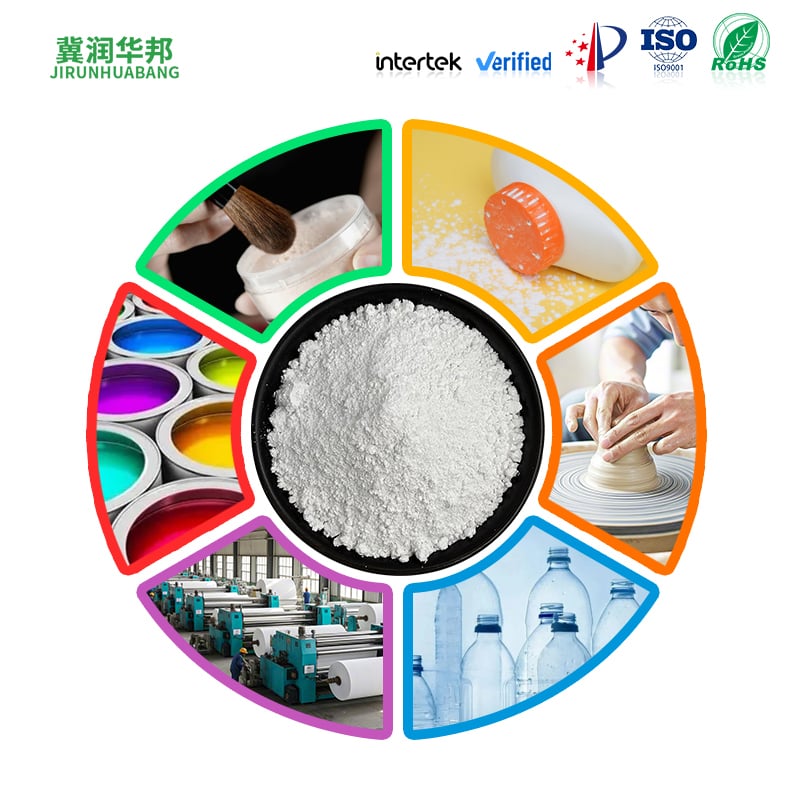
The core function of talc powder is improving rigidity, hardness and structural strength of plastic products. Pure plastic materials are relatively soft and prone to bending, deformation and scratching during daily use and extrusion processing. Talc powder has a stable layered sheet structure. When evenly dispersed inside plastic resin, it forms a three-dimensional supporting framework. It effectively enhances the tensile strength, bending resistance and surface hardness of finished plastic products. It solves the common problems of soft texture and poor pressure resistance of pure plastics, making plastic parts firmer, more wearable and less likely to be damaged by external force.
Talc powder significantly optimizes dimensional stability and reduces deformation rate. Many plastic products shrink slightly after molding, and are easy to warp and deform under temperature changes, resulting in inaccurate product sizes and poor assembly effects. Talc powder has extremely low thermal expansion and cold contraction coefficient. It can restrain the molecular shrinkage and expansion of plastic materials during molding and use. It effectively reduces product shrinkage rate, prevents warping, twisting and size deviation, and greatly improves the dimensional accuracy of precision plastic parts, injection molding parts and daily plastic products.
It greatly enhances high temperature resistance and anti-aging performance of plastics. Ordinary plastic products are easy to soften and deform in high-temperature environments, and will gradually turn yellow, brittle and aging after long-term light and air exposure. Talc powder has excellent high-temperature stability and oxidation resistance. Adding talc powder can raise the heat distortion temperature of plastic products, effectively preventing thermal softening and structural damage. It also blocks ultraviolet erosion, slows down plastic aging speed, delays yellowing and brittleness, and greatly extends the service life of outdoor and high-temperature resistant plastic products.
Talc powder optimizes plastic processing fluidity and molding efficiency. Superfine talc powder has smooth particle surface and good lubricity. When mixed with plastic resin, it can reduce friction between plastic molecules and processing equipment. It improves the fluidity of molten plastics during extrusion and injection molding, making filling and molding smoother. It shortens product molding cycle, improves production efficiency, and reduces defective products caused by incomplete filling, trachoma and uneven molding. It is very suitable for mass continuous production of plastic factories.
This mineral filler effectivelyimproves surface flatness and texture of plastic products. Unmodified pure plastics are prone to surface wrinkles, particle traces and uneven gloss after molding. The fine and uniform sheet particles of talc powder fill the tiny gaps inside plastic structures, making the internal structure denser and the surface smoother. Finished plastic products show uniform gloss, delicate texture and no rough spots. It effectively improves the appearance grade of household plastic parts, decorative plastics and plastic shell products.
Talc powder brings excellent insulation and flame retardant auxiliary performance. Talc is a natural insulating mineral material with stable electrical insulation properties. When applied to electronic plastic accessories, electrical casings and insulating plastic parts, it can effectively improve the insulation performance and anti-static ability of products, improving the safety of electrical plastic products. In addition, talc powder can improve the heat resistance and flame retardant level of plastics, slow down burning speed, and reduce the risk of open flame spreading for plastic products.
It provides stable chemical inertness and wide formula compatibility. Talc powder will not produce chemical reactions with plastic resin, plasticizers and various processing auxiliaries. It does not cause plastic deterioration, discoloration or performance attenuation. It maintains stable physical and chemical properties during high-temperature processing and long-term use. It can be widely used in modified plastics, engineering plastics, daily plastics and recycled plastics, with strong adaptability to various plastic formulas and production processes.
Talc powder has obvious cost-saving and eco-friendly advantages. As a natural inorganic filler, it can replace a large amount of expensive plastic resin and synthetic additives. Under the premise of improving product quality, it effectively reduces raw material costs for plastic manufacturers. It is non-toxic, tasteless and pollution-free, with no harmful substances precipitated during processing and use. It does not produce secondary pollution, fully meeting the environmental and safety requirements of civilian and industrial plastic products.
In summary, talc powder is an indispensable functional filler for the modern plastic industry. It strengthens and hardens plastic products, stabilizes product size, improves high temperature and aging resistance, optimizes processing efficiency and upgrades surface texture. With stable performance, wide compatibility and high cost performance, it has become the most commonly used modified additive for high-quality plastic manufacturing.