 EN
EN

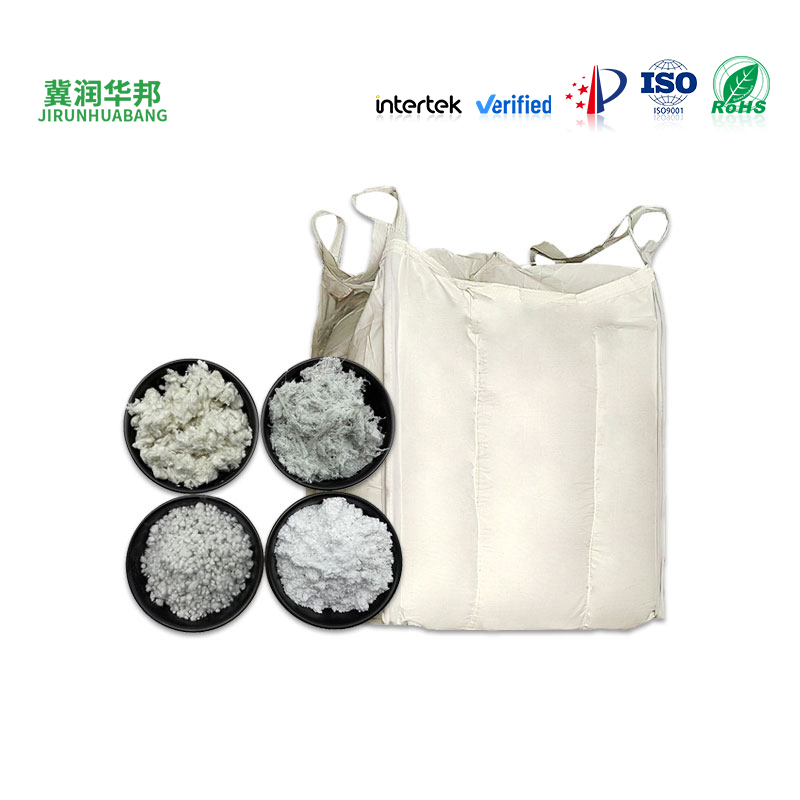
Sepiolite fiber owes its exceptional properties and industrial versatility not only to its geological origins but also to the sophisticated production methods that unlock its full potential. The journey from raw sepiolite ore to high-quality industrial fiber involves a precise, multi-step process that preserves the mineral’s natural strengths while tailoring its characteristics for specific uses. As technology advances, new processing and modification techniques are expanding what sepiolite fiber can do, opening up fresh possibilities in materials science and industrial applications.
The story starts with the formation of sepiolite deposits—unique geological bodies created in magnesium-rich sedimentary environments over millions of years. The largest commercial deposits are found in Spain, Turkey, China, and the United States, where geological conditions have favored the formation of high-purity fibrous sepiolite. Mining these deposits requires careful planning to extract ore with minimal environmental impact and maximum fiber integrity. Modern mining operations focus on sustainable practices, including selective mining to target high-quality ore seams and land reclamation to restore sites after extraction.
Once mined, the raw sepiolite ore goes through initial preparation for fiber separation. The first step is natural air drying to lower surface moisture, making the ore easier to handle and process. Too much moisture can cause fibers to clump and reduce purification efficiency, so proper drying is essential. After drying, the ore is gently crushed using specialized equipment that breaks down the rock matrix without damaging the delicate fibers. Unlike the aggressive crushing used for other minerals, this process uses mild pressure to preserve the fibrous structure—crucial for maintaining the material’s key properties.
The heart of sepiolite fiber production is the purification and separation stage, where pure fiber is separated from non-fibrous impurities like quartz, calcite, and other clay minerals. Advanced air classification is the primary method, using controlled air streams to separate lightweight fiber bundles from heavier impurities based on density differences. This dry separation process is environmentally friendly, water-efficient, and very effective for producing high-purity sepiolite fiber. For applications needing ultra-high purity, additional wet purification methods—such as gravity separation, centrifugation, or flotation—can remove remaining trace impurities.
After purification, the raw sepiolite fiber undergoes processing to achieve the desired physical properties. Grinding is a key step, using specialized mills to reduce fiber length and adjust particle size distribution according to application requirements. Different grinding techniques—such as roller mills, vortex mills, or jet mills—produce fibers with varying lengths and surface areas, tailored for specific uses. Longer fibers are ideal for reinforcement, while shorter, finer fibers excel in adsorption and thickening roles.
A critical step for many applications is fiber activation and modification. This stage improves the fiber’s performance by altering its surface chemistry and structure. Thermal activation involves heating the fiber to specific temperatures to remove bound water, increasing porosity and surface activity. Acid activation uses mild acid treatments to etch the fiber surface, creating more adsorption sites and improving reactivity with other materials. Surface modification with coupling agents or surfactants is another important process, improving the fiber’s compatibility with organic polymers like plastics, rubber, and resins. This treatment ensures even dispersion and strong bonding in composite materials, maximizing the fiber’s reinforcing effect.
After processing, the sepiolite fiber is carefully dried and packaged to maintain quality. Moisture control is essential during storage and transport to prevent clumping and preserve performance. The final product comes in various forms—loose fiber, powder, granules, or pre-compounded masterbatches—to suit different industrial processing methods. Quality control is rigorous throughout production, with testing for purity, fiber length, surface area, adsorption capacity, and other key parameters to meet strict industry standards.
While traditional processing methods have made sepiolite fiber an industrial staple, cutting-edge innovations are revolutionizing production and expanding its potential. Nanotechnology is at the forefront, enabling the production of sepiolite nanofibers with widths as small as 10–30 nanometers. These ultra-fine fibers have dramatically increased surface area and enhanced properties, opening new applications in advanced composites, biomedical materials, and high-performance filtration.
Innovative techniques like ultrasound irradiation and high-speed airflow treatment are transforming fiber dispersion and gel formation. Ultrasound treatment breaks down fiber clumps without damaging individual fibers, creating highly stable, high-viscosity hydrogels used in cosmetics, pharmaceuticals, and advanced coatings. High-speed airflow processing produces ultra-fine, evenly dispersed fibers with better handling characteristics. These methods eliminate the need for chemical dispersants, making products more eco-friendly.
Surface functionalization is another fast-moving area of innovation. Researchers are developing specialized modification techniques to tailor sepiolite fiber’s adsorption properties for specific targets—such as enhanced heavy metal capture, selective organic pollutant adsorption, or improved catalyst support capabilities. These functionalized fibers are finding uses in cutting-edge environmental cleanup, chemical synthesis, and sensor technologies.
The combination of sepiolite fiber with other advanced materials is creating next-generation composites with unprecedented performance. Mixing sepiolite fiber with graphene, carbon nanotubes, biodegradable polymers, and other nanomaterials results in composites that offer exceptional strength, light weight, thermal stability, and functionality. These advanced materials are being developed for aerospace, automotive, electronics, and biomedical applications, where performance demands are extreme.
In the biomedical field, new applications of sepiolite fiber are emerging, taking advantage of its biocompatibility, adsorption properties, and nanostructure. Research is underway for uses in wound healing materials, drug delivery systems, and tissue engineering scaffolds. Its ability to adsorb and slowly release medications makes it ideal for controlled-release drug formulations, improving effectiveness and reducing side effects.
Environmental technology is another area driving sepiolite fiber innovation. New applications include advanced air and water purification systems for emerging contaminants, heavy metal recovery from industrial waste, and oil spill cleanup materials. Researchers are developing sepiolite fiber-based membranes and filters with unprecedented selectivity and efficiency, addressing critical global challenges like water scarcity and pollution.
The future of sepiolite fiber also lies in sustainable production optimization. Manufacturers are investing in renewable energy for processing, water recycling systems, and waste reduction technologies to further lower environmental impact. Circular economy approaches are being implemented, where production waste is recycled back into the process or used for other applications, creating a closed-loop system.