 EN
EN

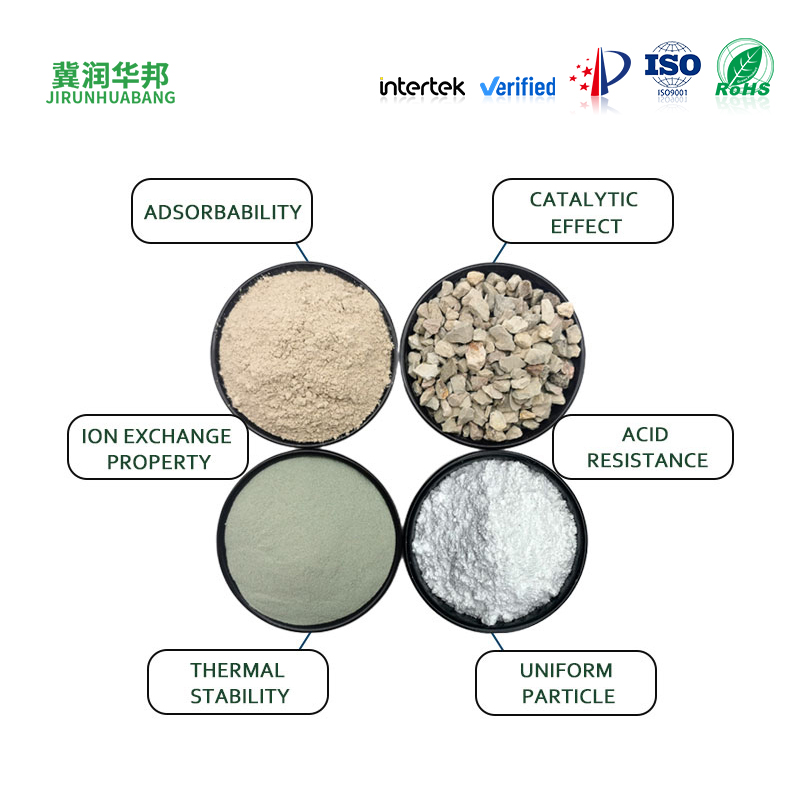
Through the use of zeolite powder as an addition to cement, it was proved that it is very effective as supplementary cementitious material in the construction industry. Natural zeolite can be used as a partial cement and has pozzolanic activity and microfilling properties which enhance the performance of the cement. The size of zeolite powder or its mesh fineness, however, has significant effect on effectiveness of zeolite. For achieving optimum strength enhancement and workability, it is necessary to select the right mesh. Our specialty is production of high quality zeolite powder having precisely controlled particle sizes, to satisfy various requirements of concrete formulation at Runhuabang.
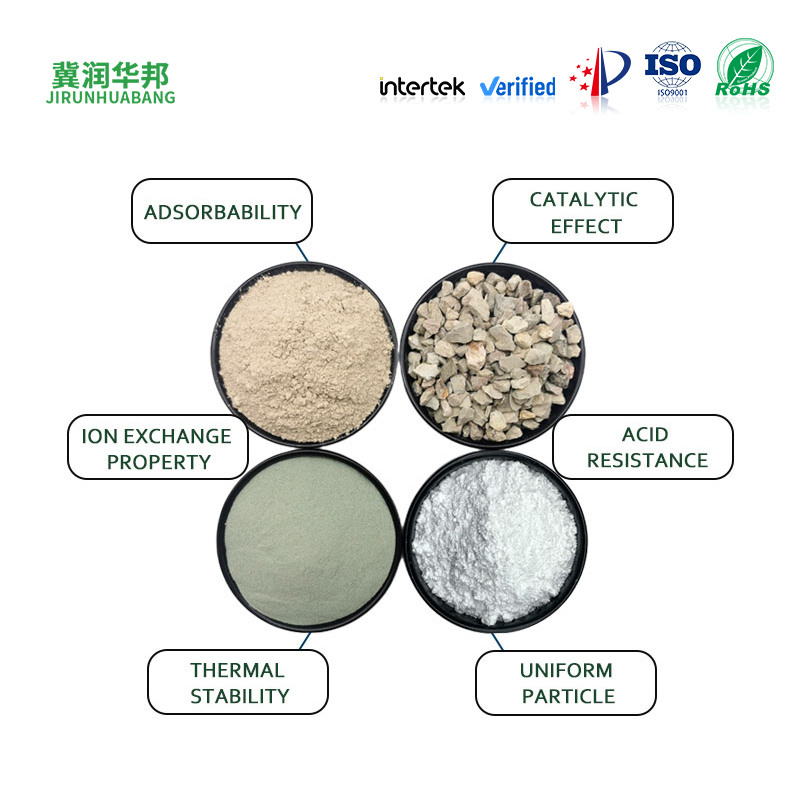
Understanding Mesh Size and Its Impact on Concrete Performance
For zeolite powder, the mesh size will directly impact on the fineness of material and hence effect on the behaviour of the material in the cementitious system. Smaller zeolite particles will have a higher specific surface area, allowing them to react with more calcium hydroxide (cement hydration product) to actually generate more cementitious gels. This pozzolanic reaction helps to increase compressive strength as well as durability. On other hand, larger zeolite particles are mostly used as microfilling particles in order to enhance packing density between cement grains in voids. Fine particle size contributes to enhance workability and cohesiveness of concrete blocks while larger particle size contributes to the enhancement of Compressive strength of concrete blocks, for a given quantity of zeolite. It is important to grasp this trade-off in order to choose appropriate mesh size for particular applications.
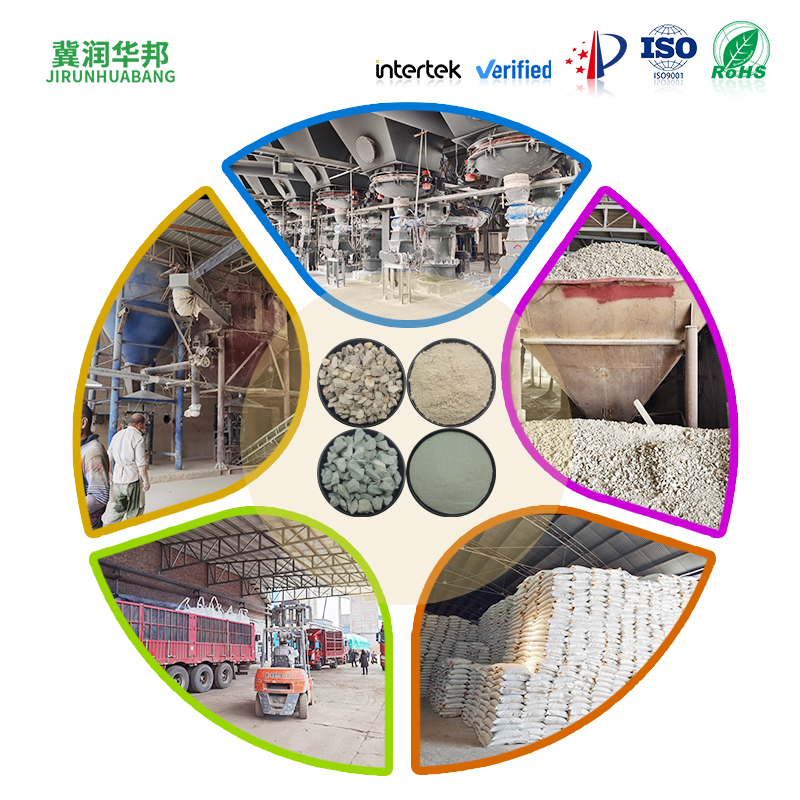
The Pozzolanic Reactivity Advantage of Finer Zeolite
Zeolite powder (also called “superfine zeolite”) is more pozzolanic than coarser zeolite powder. Very fine grind (median granulometry ~ 3.6 μm) of zeolite, as compared to cement, has been proven to give a higher packing density and better long term strength development. Pozzolanic reaction between zeolite and calcium hydroxide will cause the tighter structure of product and lower permeability. The more finely ground zeolite will, however, need more water to use which may necessitate the use of superplasticizers to achieve the required workability. Superfine zeolite is useful in applications where long-term strength and durability is important. On the other hand, coarser grades might be desired if low water requirements and easier mix design are important.
Industry-Recommended Mesh Sizes for Concrete Applications
Based on studies and practice, optimal size ranges for meshes have been determined for use in concrete. The results obtained by the two formulations using #80 mesh and #200 mesh zeolite have demonstrated that they possess strong and reliable properties and can actually perform better than pure cement mortar, particularly when the replacement ratio is up to 10-15%. According to the Patent Literature, the use of zeolite powder of the 200–250 mesh size range in concrete mixtures is very common and is associated with a number of benefits, such as water retention, optimization of water-cement ratio, increase in the viscosity of the mixture, and improvement of its pumpability. In addition, the research on high performance concrete has been carried out using the zeolite particles with mean particle size of 5.6 to 16.7 μm and the research results showed that the use of zeolite can effectively improve the cracking resistance, compressive strength of concrete, while reducing the autogenous shrinkage of concrete. Results can be used for determining "right size" mesh based on desired performance.
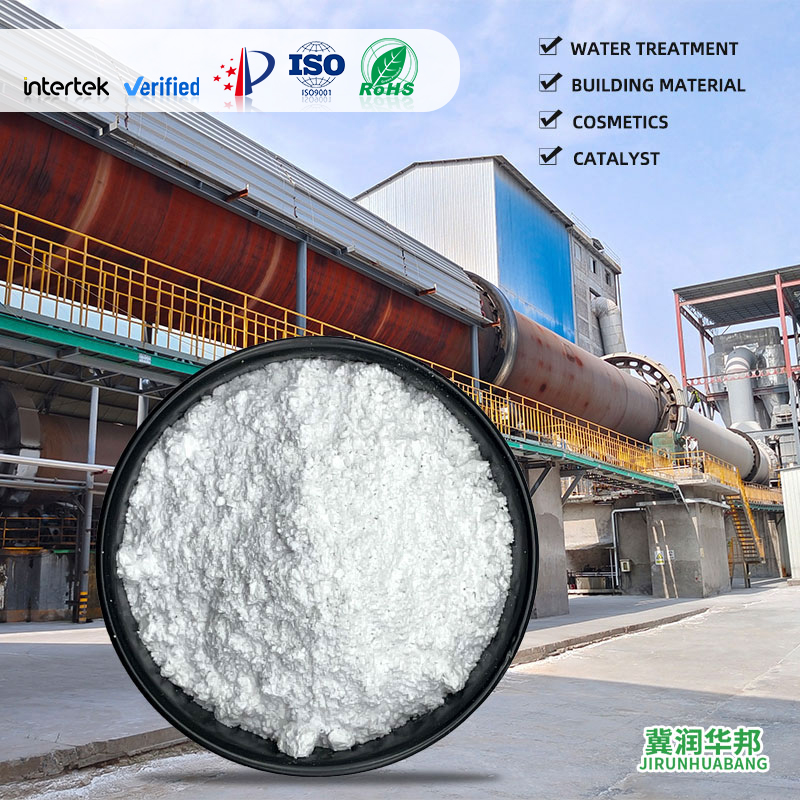
Balancing Strength, Workability, and Durability
The optimal size of zeolite powder in concrete is related to requirements of each project. In normal concrete works where workability, pumpability is important, it is recommended to use finer zeolite (200 to 250 mesh) to improve cohesiveness and reduce segregation. The zeolite used in this study is a superfine zeolite, with a packing density that can be increased and improve the longterm compressive strength of the high strength or high performance concrete, but it has a slightly low strength at early age. It should be noted that an increase in both zeolite content and fineness of the zeolite leads to an increase in the compressive strength. These improvements need to be matched with proper changes in water-cement ratio and admixture content, however. Our technical team will be happy to assist customers in picking up optimum mesh size for their Concrete formulation, strength requirement and workability based on the characteristics of Concrete.
Collaborate with Runhuabang to provide high-quality zeolite powder solutions that meet your needs in concrete production.