 EN
EN

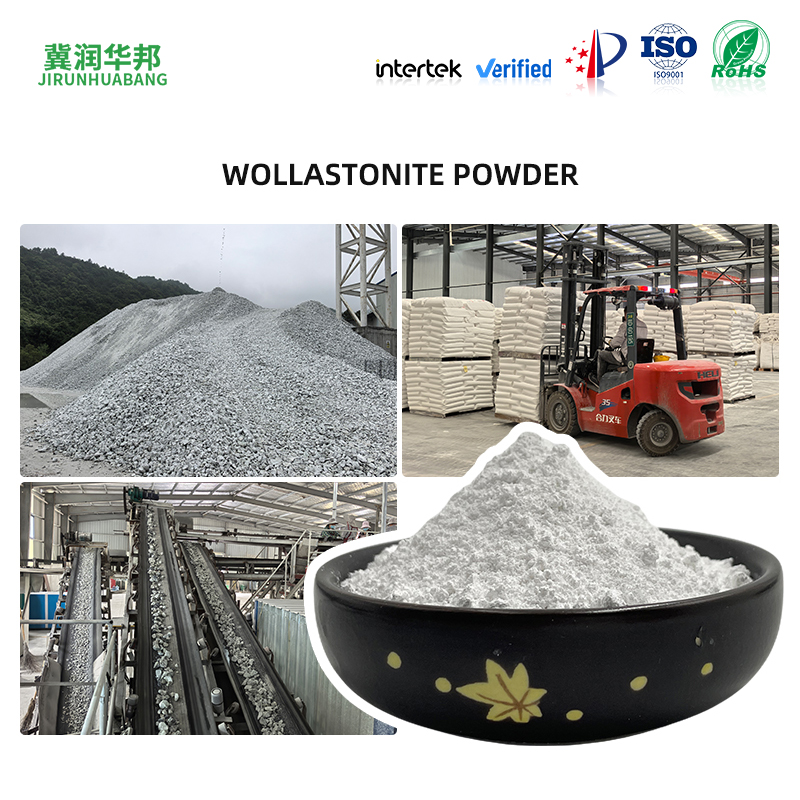
Wollastonite powder is a high-purity natural mineral material widely used in the metallurgy and metal smelting industry. It features low melting point, high temperature resistance, stable chemical inertia, excellent slagging performance and low impurity content. Unlike ordinary auxiliary mineral materials, wollastonite powder can steadily adjust smelting temperature, optimize slag fluidity, protect furnace equipment and improve finished metal quality. It is commonly used in iron smelting, steelmaking, alloy smelting and casting metallurgy processes. This article explains its practical functions and core advantages in the metallurgy industry in easy-to-understand English.
The most important function of wollastonite powder in metallurgy is promoting slag formation and improving slag fluidity. During metal smelting, a large number of oxide impurities, waste residues and non-metallic substances are produced inside the furnace. These impurities need to be melted and discharged smoothly to ensure metal purity. Wollastonite powder has excellent natural slagging properties. When added to the smelting furnace, it quickly melts and combines with various residual impurities to form low-viscosity, flowing slag. It effectively gathers scattered tiny residues, makes industrial slag easier to float and separate, and avoids residual impurities mixing into molten metal. This simple and efficient slagging effect greatly improves the cleanliness of steel, iron and alloy products.
Wollastonite powder effectively reduces smelting temperature and saves energy consumption. Traditional metallurgy requires extremely high temperatures to complete slag melting and impurity separation, which brings high fuel consumption and heavy equipment load. Wollastonite itself has a low melting point and can reduce the overall melting temperature of furnace materials. It helps the entire smelting system complete slagging and purification at a relatively lower temperature, shortening the heating cycle and reducing fuel waste. For long-term and large-scale metallurgical production, it significantly lowers energy costs, improves smelting efficiency and brings obvious economic benefits to factories.
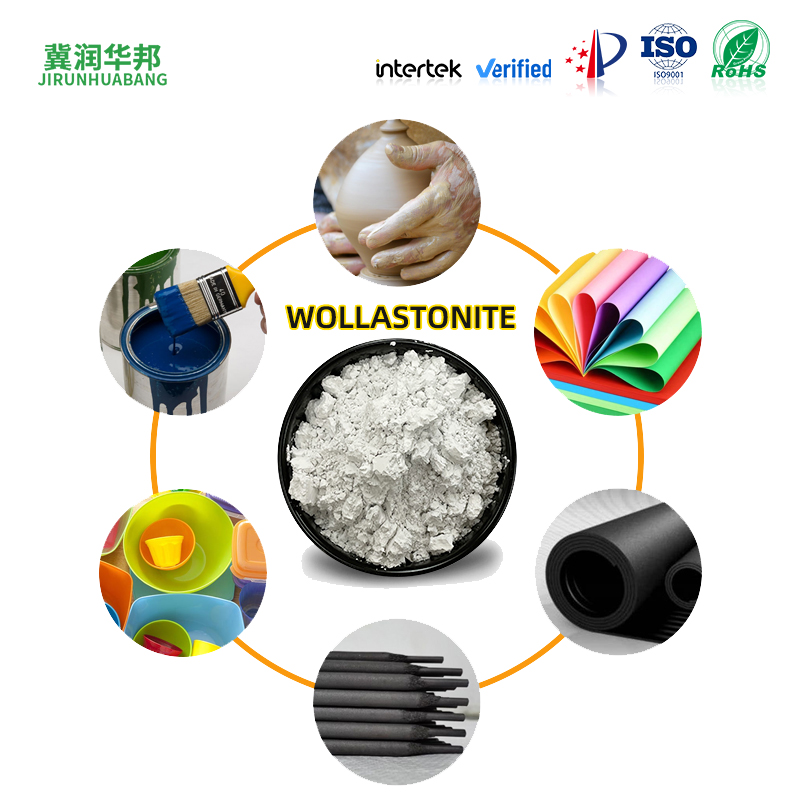
It plays a key role in protecting smelting furnaces and extending equipment service life. The high-temperature molten slag and corrosive substances inside the metallurgical furnace will continuously erode the inner furnace wall, causing wear, peeling and damage of refractory materials. Frequent furnace maintenance and repair will affect production progress and increase cost. Wollastonite powder forms a uniform protective layer on the inner furnace wall during smelting. This stable mineral isolation layer resists high-temperature scouring and chemical corrosion of molten slag, reduces furnace wall wear and damage, stabilizes internal furnace environment, and greatly prolongs the service cycle of smelting equipment and refractory layers.
Wollastonite powder improves finished metal density and surface quality. Without effective auxiliary mineral materials, molten metal easily contains tiny bubbles, oxide inclusions and fine slag spots, resulting in loose internal structure, rough surface and low mechanical strength of finished steel and metal parts. Wollastonite can fully adsorb floating oxides and tiny impurities in molten metal, effectively removing internal inclusions and air holes. The purified molten metal forms denser and more uniform metal texture after cooling and molding. Finished metal products have smoother surface, fewer flaws and higher overall toughness and compression resistance.
Another core advantage is stable chemical inertness and high safety for smelting. Wollastonite powder has extremely stable chemical properties and will not produce volatile substances, harmful gases or secondary impurities under high-temperature smelting environments. It does not react with molten steel, iron or various alloys, so it will not change the original metal composition and mechanical performance. It provides pure physical auxiliary effects throughout the smelting process, ensuring stable metal composition and consistent product quality in batch production. This feature makes it suitable for high-standard alloy smelting and precision metal material production.
Wollastonite powder also optimizes casting and molding effects in metallurgical processing. In metal casting processes, it can be used as auxiliary filler and coating material for casting molds. It improves the surface smoothness of the mold cavity, reduces the adhesion between molten metal and the mold wall, and makes demolding easier. It effectively avoids common casting defects such as sticky sand, surface pits and uneven outlines. The finished casting parts have accurate size, neat edges and better surface finish, reducing later polishing and repairing workload and improving overall production efficiency.
In addition, wollastonite powder has obvious cost performance and wide applicability. It has low impurity content and stable quality, which can replace many expensive synthetic smelting additives. It not only ensures smelting stability and metal quality, but also effectively reduces raw material investment for metallurgical enterprises. It is suitable for ordinary carbon steel, stainless steel, cast iron, aluminum alloy and multiple metal smelting scenarios, with strong compatibility with various metallurgical processes.
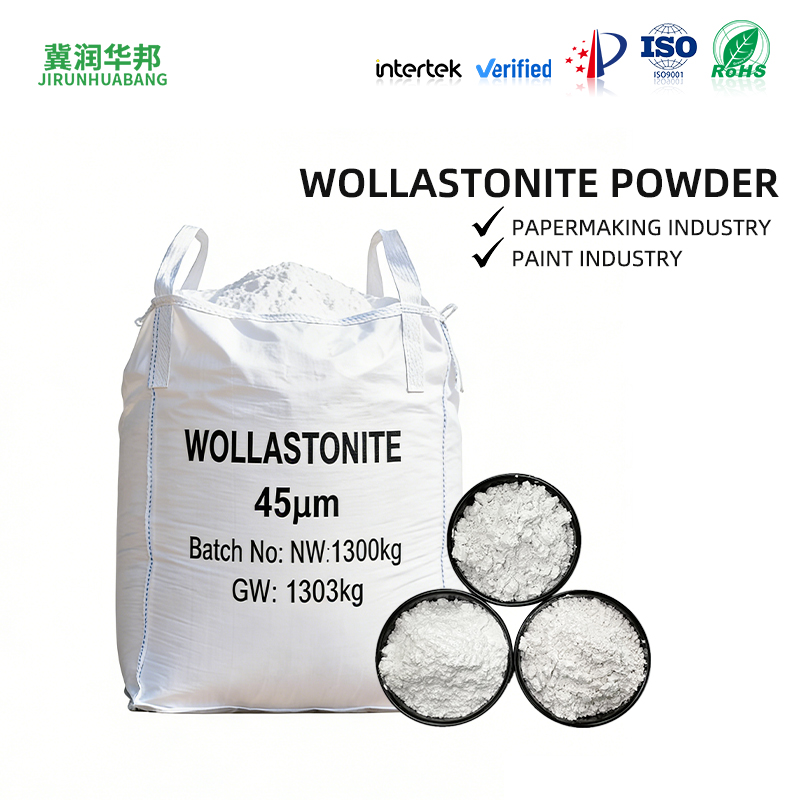
In summary, wollastonite powder is a practical and high-efficiency auxiliary material for the metallurgy industry. It promotes efficient slagging, reduces smelting energy consumption, protects furnace equipment, purifies molten metal, improves casting quality and stabilizes production safety. With stable performance and high cost performance, it has become a reliable mineral additive widely used in modern metal smelting and casting production.