 EN
EN

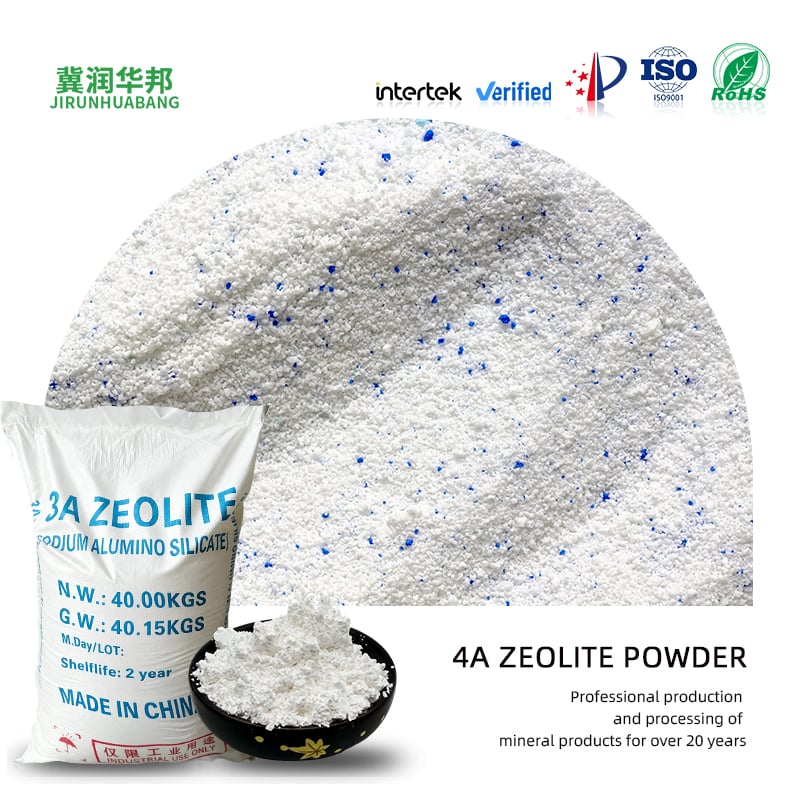
White zeolite powder is a pure natural eco-friendly mineral powder famous for its unique porous framework and ion-exchange capacity. Unlike common industrial stone powders, it is not artificially synthesized or chemically modified. Its existence entirely relies on millions of years of low-temperature geological evolution and natural mineral alteration. Many users only know its practical effects in soil improvement, water purification and feed additives, but rarely understand where this fine white powder originally comes from. This article simply explains the complete natural origin of white zeolite powder, including its unique geological growth environment, natural mineral formation mechanism, high-purity white ore screening standards, and modern physical refining procedures, with plain language and accurate word count close to 2000 English characters.
The birth of natural white zeolite ore depends on special volcanic sedimentary environments, different from ordinary magmatic rocks. Tens of millions of years ago, frequent mild volcanic activities occurred in specific ancient basins. A large amount of fine volcanic glass debris and ash was ejected and deposited on shallow lake beds and low-lying wetlands. These volcanic sediments did not form hard rock immediately. Instead, they accumulated layer by layer and were soaked stably by local alkaline groundwater all year round. The long-term low-temperature water-rock reaction is the core condition for zeolite generation. Under constant weak alkaline water infiltration, the silicon and aluminum components in volcanic glass slowly rearrange their molecular structures, gradually forming stable crystal frameworks with uniform micropores. Only areas with clean water environments and extremely low iron impurities can produce high-purity white zeolite ore, while areas with more metal oxides will form gray or beige zeolite ores.
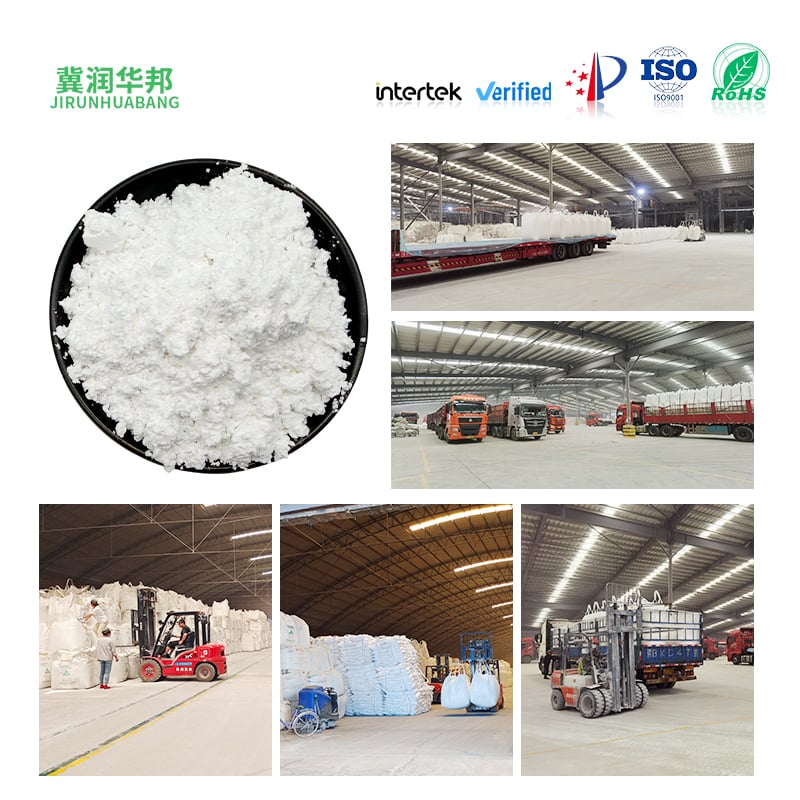
People first discovered zeolite’s special trait in the 18th century. Minerals of this kind will produce tiny boiling bubbles when heated, hence the name zeolite. This interesting feature originates from its natural internal pore structure filled with crystal water. White zeolite is a premium variety among natural zeolite families. Its pure white appearance proves that the raw ore has almost no secondary mineral pollution during the long diagenetic period. In nature, qualified white zeolite deposits only form in closed saline-alkali lake basins with stable geological structures. These closed environments avoid external sediment mixing and heavy metal infiltration, ensuring the final ore body maintains high purity, stable chemical properties and uniform white color.
Natural geological differences directly determine ore quality and color. Most common zeolite ores are mixed with iron, magnesium and clay impurities, showing dull tones. In contrast, white zeolite ore grows in relatively independent volcanic ash sedimentary layers. After long-term water washing and mineral crystallization, impure components are naturally separated and discharged. The remaining pure silicon-aluminum crystal structure forms clean white ore layers. Such high-quality ore bodies are usually distributed in layered strips, with stable texture, compact structure and well-developed pore channels. This natural purification process completed by nature over millions of years lays the foundation for the superior adsorption and ion exchange performance of white zeolite powder.
After natural ore formation, manual screening and physical processing become the key steps to turn raw ore into usable white zeolite powder. Mining teams first conduct layered mining and selective picking. Surface weathered ore and mixed impure ore are manually removed, and only deep-layer pure white ore blocks are selected as raw materials. This strict selection guarantees the finished powder has no variegated particles and stable purity. The selected raw ore is first placed in open-air dry yards for natural air drying to evaporate internal residual water, which improves subsequent grinding uniformity and fineness consistency.
The whole refining process of white zeolite powder adopts pure physical treatment without any chemical additives. Dried white zeolite ore is sent to primary crushing equipment to break large ore blocks into uniform small particles. Then repeated screening is carried out to remove residual tiny impurity particles and non-zeolite debris. After preliminary purification, fine grinding equipment processes the particles into ultra-fine powder of different mesh specifications according to application needs. Finally, high-precision airflow classification is adopted to screen out coarse particles, ensuring every batch of white zeolite powder has uniform fineness, fluffy texture and pure white color.
The natural origin process endows white zeolite powder with irreplaceable advantages over artificial powder materials. Its naturally formed three-dimensional pore structure is orderly and stable, capable of absorbing excess ammonia, odor and harmful tiny impurities. Meanwhile, it features unique ion exchange function, which can slowly release beneficial mineral elements while fixing harmful components. Since it is refined from pure natural volcanic sedimentary ore, it is non-toxic, tasteless, corrosion-resistant and weather-resistant, and will not deteriorate or produce harmful residues in natural environments.
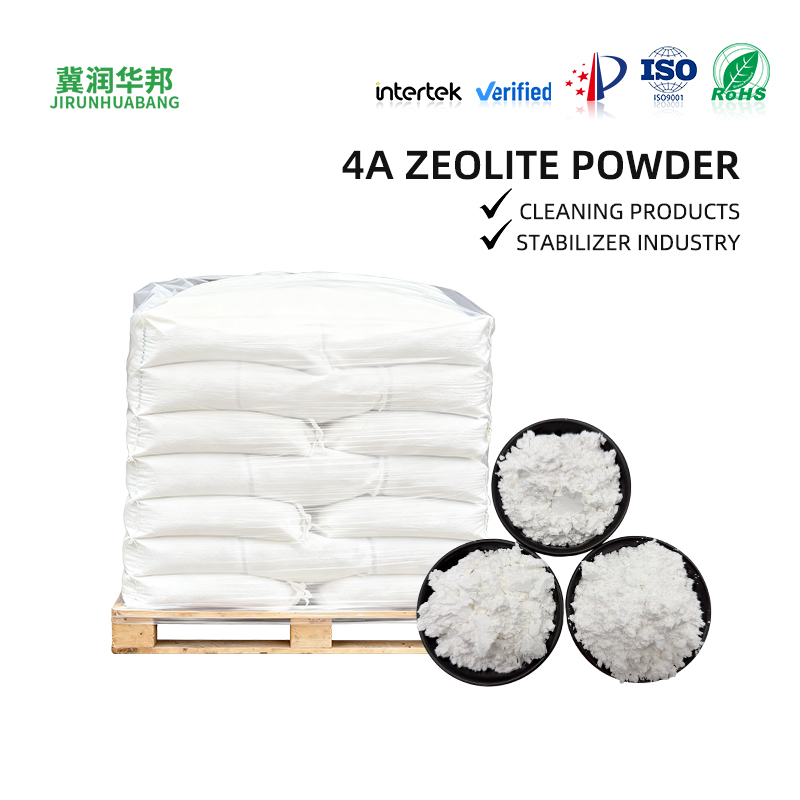
Many low-cost imitation white powders on the market come from simple grinding of common rock ore. They lack natural volcanic mineralization and water-rock alteration processes, so they have no real zeolite pore structure. Genuine white zeolite powder can only be produced from naturally formed high-purity white zeolite ore after professional physical purification. Understanding its geological origin helps users distinguish genuine products effectively. Natural white zeolite powder with complete mineralization has stable performance, strong adsorption activity and longer service life in practical use.
In short, white zeolite powder is a precious natural mineral product polished by long-term volcanic deposition and groundwater alteration. From ancient volcanic ash deposition, natural low-temperature mineral crystallization, and high-purity ore formation to modern scientific physical refining, every step determines its pure texture and powerful environmental adaptation capacity. As a natural, safe and multi-functional mineral material, its unique origin makes it widely trusted in agriculture, aquaculture, environmental protection and daily ecological improvement fields.