 EN
EN

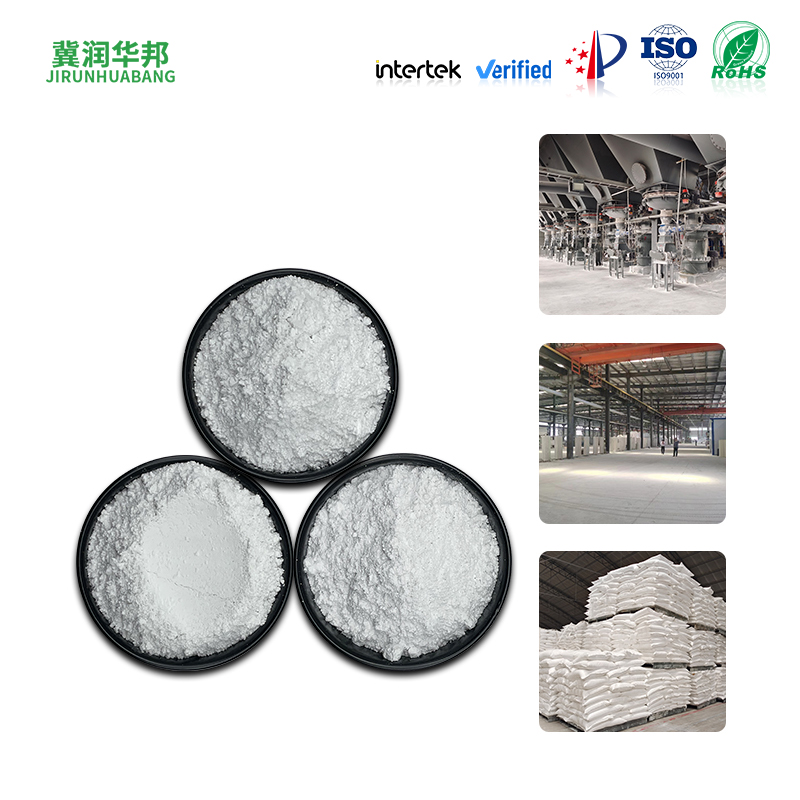
Heavy metals such as lead, copper, cadmium, zinc and nickel are toxic, persistent in the environment, and bioaccumulative in the food chain – posing serious environmental and public health risks. Traditional treatment such as chemical precipitation is expensive, effective at removing only small percentage of the contaminants, and causes pollution problems in secondary treatment. In response to this challenge, zeolite powder has become very effective, economical and eco-friendly adsorbent. At Runhuabang, we provide high purity natural clinoptilolite zeolite powder that is specially developed for industrial wastewater treatment.
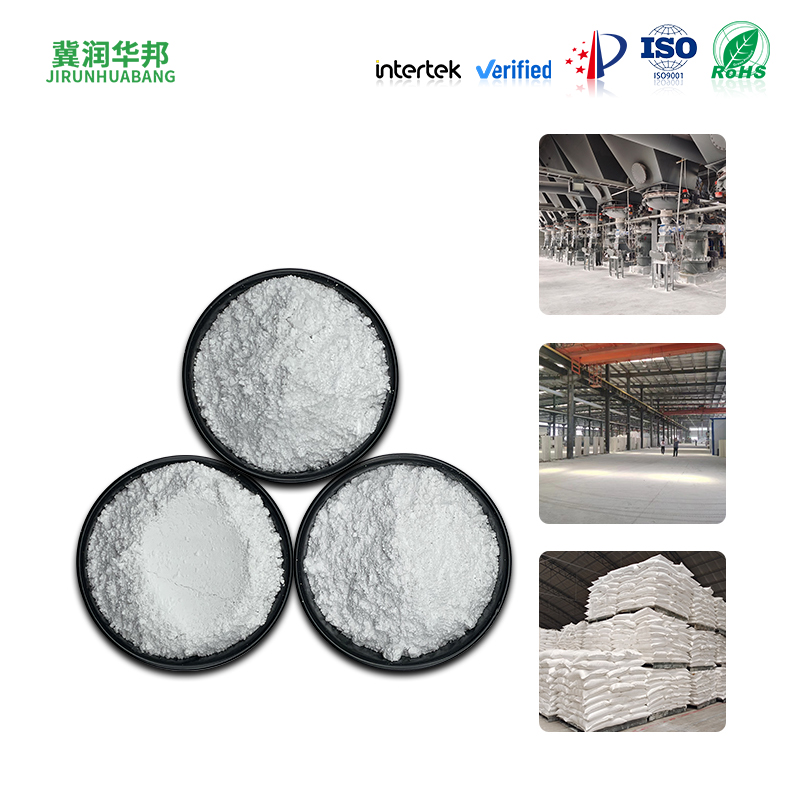
How Zeolite Powder Removes Heavy Metals: Ion Exchange and Adsorption
The mechanism of zeolite powder to remove heavy metal is the basis of its special crystalline structure. Zeolites also have structure of negatively charged aluminosilicate, which naturally counterbalances the charge with exchangeable cations, like sodium, calcium, and potassium. If zeolite is added to wastewater with metal ions, the loosely bound ions are easily replaced by metal ions present in the solution, making it possible to effectively remove the metal ions through ion exchange.
Natural clinoptilolite has been proven to have high level of selectivity for certain heavy metals and the general order of preference is Pb > Cd > Cs > Cu(II) > Co(II) > Cr(III) > Zn > Ni(II) > Hg(II). Studies have also shown that zeolites effectively remove heavy metals (1-10 mg/L), and more importantly, the simultaneous presence of several heavy metals does not significantly affect the overall performance, which is crucial when it comes to treating complex industrial effluents. The adsorption kinetics fit the pseudo-second-order model, indicating that chemisorption and ion exchange are the dominant removal mechanisms.
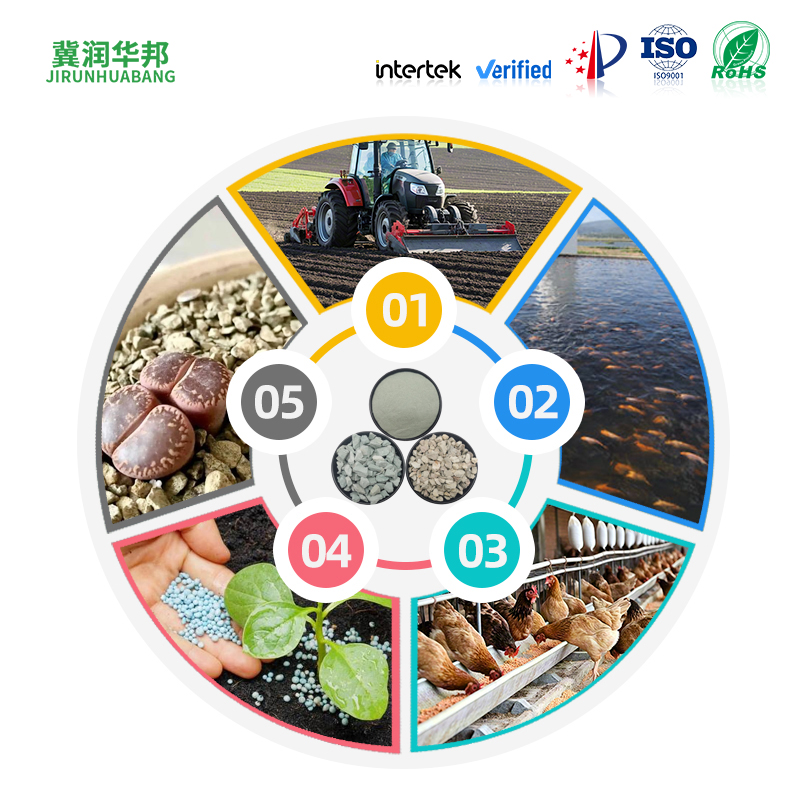
Factors Influencing Removal Efficiency: pH, Particle Size, and Competing Ions
The performance of zeolite powder in removing heavy metals may be affected by number of factors. The pH of the solution is especially important because it can influence the surface charge properties of the zeolite as well as the charge state of the metal ions. In general, the higher the pH, the more likely it is that the cation exchange will be possible because the competition for the site with hydrogen ion is less, although, in very high pH, precipitation of metal hydroxide may occur instead of cation exchange.
Another vital factor is particle size. Runhuabang provides zeolite powder with different mesh (such as 200-325 mesh) according to the requirement of the application. The finer the powder, the more surface area and the quicker the adsorption rate, but larger particles might be used for filters with fixed beds if hydraulic conductivity is critical factor. Furthermore, at times high levels of competing cations, such as calcium and sodium, can decrease the capacity of the zeolite for heavy metal ions so that either pretreatment or dosage adjustments must be made for maximum effectiveness.
Enhancing Performance Through Modification
The ability of natural zeolites to remove ionized contaminants is limited in nature and they are very effective with cationic heavy metals. Surface modification technologies, however, can broaden the application potential of zeolite powder. Surfactant modification, for example, modifies the surface of zeolite with bilayer structure that changes the charge of the surface and allows the anionic species and organic pollutants to be adsorbed as well. Zeolite's versatility makes it multi-functional adsorbent suitable for wider range of contaminants in the industrial wastewater stream.
Acid or alkali treatments can also significantly enhance zeolite's heavy metal removal capacity. It has been reported that acid treatment increases the surface area and makes more available adsorption sites, e.g., surface area of natural clinoptilolite was increased from 46.20 m²/g to 309.26 m²/g after acid treatment in one study. Alkali treated zeolites also have been shown to remove 10–20% more heavy metals than untreated zeolites.
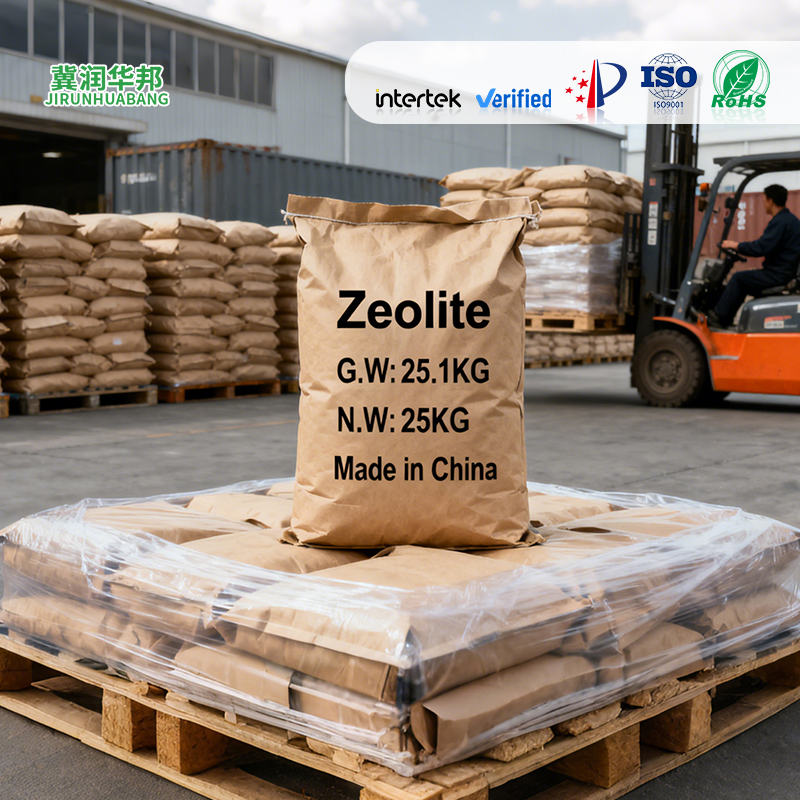
Runhuabang Zeolite Powder: Quality You Can Rely On
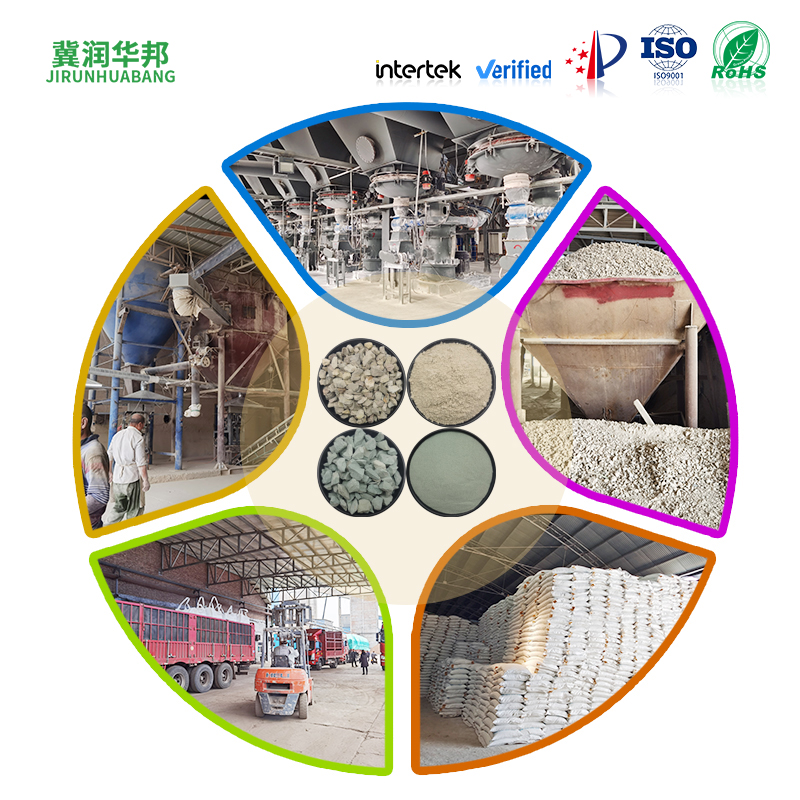
The zeolite powder used at Runhuabang is produced from deposits of high purity natural clinoptilolite, according to strict ISO 9001:2000 quality standards. Our extensive manufacturing experience, dedicated R&D staff and full-scale in house testing laboratories guarantee uniform ion exchange performance, controlled particle size distribution and low impurity levels. The cation exchange capacity of 100–150 meq/100 g is typical and ensures heavy metal removal in variety of industrial applications.
We realize wastewater treatment requires predictable and consistent materials. That's why we subject every production batch to thorough inspection and testing. Runhuabang offers flexible water treatment solutions – available in 200–325 mesh powder or granular forms – to meet your needs, whether you require standard or custom grades. Please reach out to us today for more information on how our zeolite powder can help your heavy metal removal program.