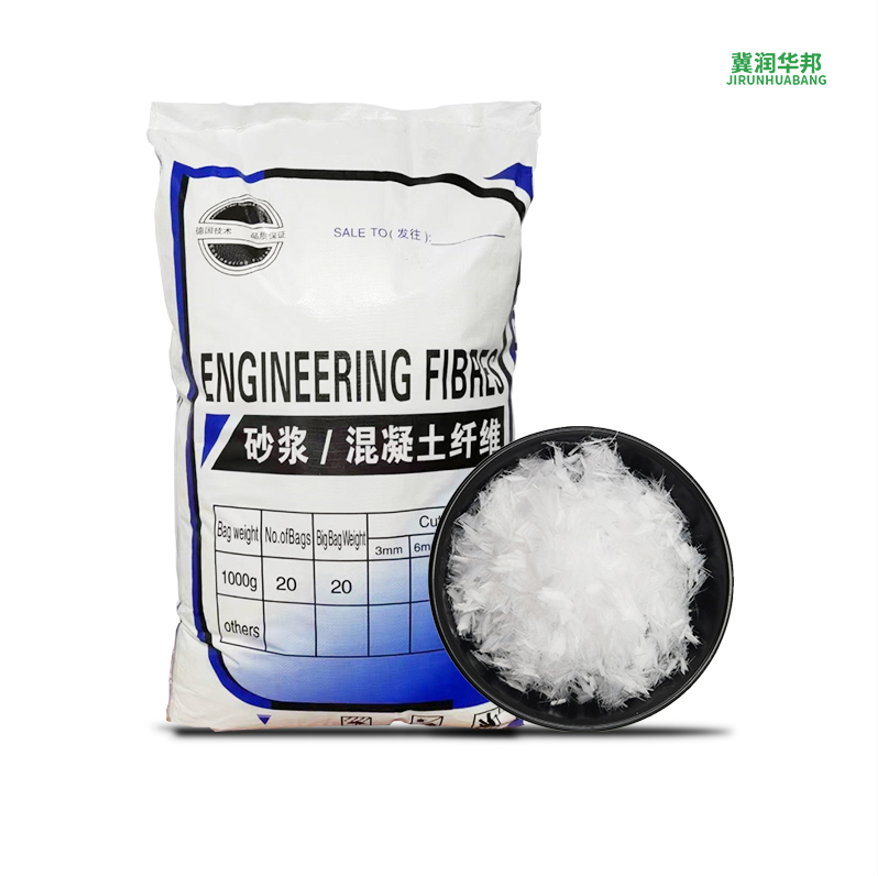
Polypropylene fiber (trade name: Polypropylene, PP fiber) is a synthetic fiber made from isotactic polypropylene produced by propylene polymerization, through melt spinning, drawing and setting. With comprehensive advantages including light weight, high strength, corrosion resistance, cost-effectiveness and recyclability, it has become an indispensable basic material in textiles, construction, geotechnics, hygiene, industrial filtration and other fields, and is a widely used high-performance fiber in modern industry and daily life.
A Mature Product of Petrochemical & Spinning TechnologyPolypropylene fiber uses propylene (a pyrolysis product of petroleum) as the core raw material. It is produced through catalytic polymerization to form isotactic polypropylene, then processed into various fibers via melt spinning, film splitting, short-path spinning and other methods. The whole process is physical modification and forming without complex chemical reactions, featuring mature and stable technology.
Raw Material PolymerizationPropylene is directionally polymerized under catalysts to produce high-purity isotactic polypropylene, ensuring fiber strength and stability.
Melt SpinningPolypropylene chips are melted and filtered, extruded through spinnerets to form filaments, then cooled and drawn to improve orientation and mechanical properties.
Post-Treatment & FormingThrough heat setting, crimping, cutting, dope dyeing and other processes, it is made into staple fibers, filaments, non-woven fabrics, split-film fibers and other products to meet different application needs.
Industrialization of PP fiber started in 1957. With the advancement of metallocene catalysis and fine-denier spinning technologies, multi-functional modifications such as high strength, fine denier, anti-aging and hydrophilicity have been realized, continuously upgrading performance and expanding application boundaries.
Ultra-LightweightDensity is only 0.91g/cm³, the lightest among common synthetic fibers, about 30% lighter than polyester. Larger coverage area with the same weight significantly reduces product weight.
High Strength & Wear ResistanceAlmost the same strength in dry and wet states; high breaking strength, good resilience and excellent wear resistance. Not easy to break or deform during long-term use.
Moisture Conduction & Quick DryingAlmost non-hygroscopic (moisture regain < 0.03%) but with excellent wicking effect, quickly transferring sweat and moisture. Fabrics are easy to wash, quick-drying and shrink-proof.
Chemical StabilityResistant to acids, alkalis, most organic solvents and salts at room temperature, suitable for harsh environments such as humidity, salt alkali and chemical engineering.
Green & EconomicalAbundant raw materials, simple process, low cost, no harmful emissions in production, and recyclable, in line with low-carbon and circular economy requirements.
Good ProcessabilityCan be purely spun or blended; made into non-woven fabrics, monofilaments, split-film fibers; easy to process and uniformly dispersed, compatible with various forming methods.
Limitations: average heat resistance, weak weather resistance, poor conventional dyeability. These can be effectively improved by anti-aging modification, dope dyeing and hydrophilic finishing.
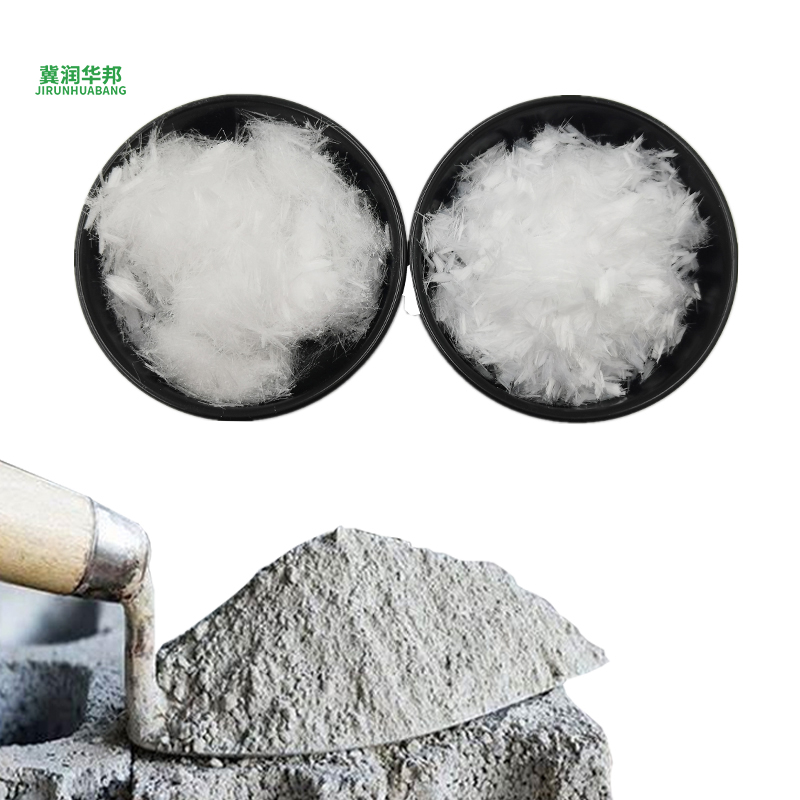
Raw Material QualityHigh isotactic polypropylene with uniform molecular weight, no recycled waste impurities.
Appearance & UniformityEven fineness, uniform color, no broken filaments, oil stains or hard blocks.
Mechanical IndexesQualified breaking strength, elongation, wear resistance and other indicators matching application requirements.
Functional ModificationAnti-aging, hydrophilic, anti-static or other functions as needed, with stable performance.
Certification & StandardsComply with national industrial standards, with food contact, medical safety or environmental protection certifications for special scenarios.
 Hot News
2026-03-17
2025-12-08
2025-12-06
2025-12-02

Runhuabang supplies non-metallic minerals, including iron oxide pigments, silica powder, kaolin, diatomite and zeolite and so on, with custom solutions worldwide.
H2-811, Poly International Building, Shifang Road, Chang'an District, Shijiazhuang, Hebei Province
Copyright © Hebei Runhuabang New Material Technology Co., Ltd All Rights Reserved Privacy Policy
 EN
EN