Resin luminous stones have become a go-to choice for homeowners, DIY enthusiasts, and crafters who want an inexpensive way to bring a soft glow into their projects. Unlike ceramic stones that require high-temperature kilns, these glowing pebbles are made from organic materials using a simple room-temperature process. Manufacturers start with a clear base—either epoxy resin or polyurethane—then mix in fine rare-earth glow powder and optional color pigments. After stirring everything thoroughly, a hardener is added, and the liquid is poured into silicone or plastic molds. Within a few hours at room temperature, the resin hardens into smooth, glossy stones ready for use.
Because no expensive firing equipment or high energy consumption is involved, resin stones are much more affordable than ceramic ones. This makes them especially attractive for small-scale projects, personal crafts, or anyone trying out luminous materials for the first time. They work on the same light-storing principle as ceramic stones: absorb ambient light from the sun, indoor LEDs, or even phone flashlights for about 15–20 minutes, then emit a soft, steady glow for up to 12 hours in complete darkness. The glow is usually a calming blue-green, though other colors are possible depending on the pigment used.
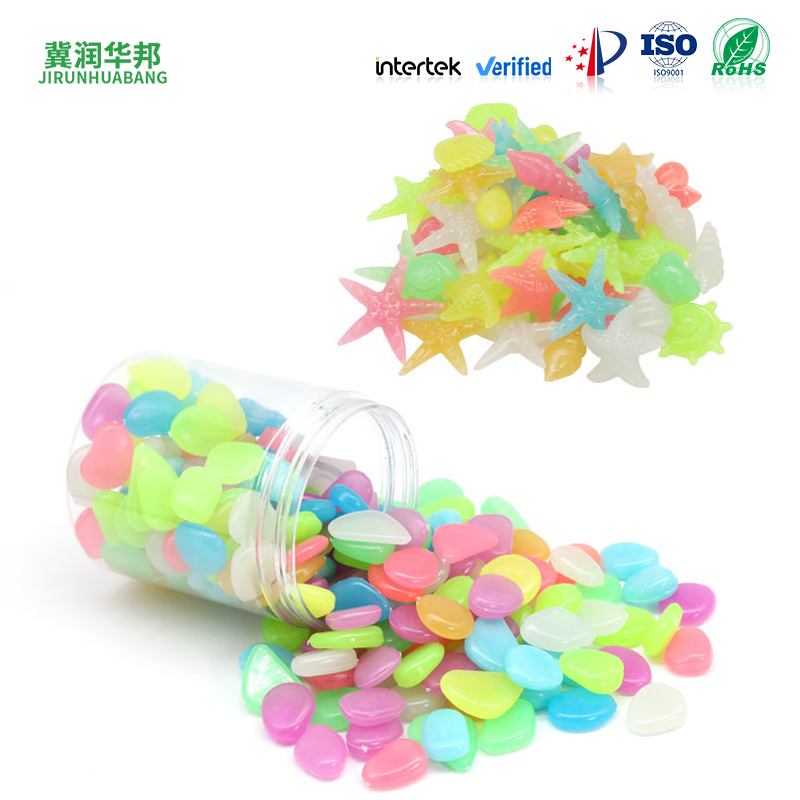
Another big advantage is how lightweight and flexible resin stones are. You can easily cut or sand them to fit unusual spaces, and they come in virtually any shape or size—round pebbles, square tiles, stars, shells, or custom logos. Their smooth, non-porous surface repels water and resists stains, so a quick rinse or wipe keeps them looking fresh. This makes them ideal for indoor decorative uses like vase fillers, table centerpieces, wall art, and kid-friendly nightlights. Aquarium owners also love them because they are non-toxic and won't alter water chemistry. Small garden paths, potted plant toppings, and indoor emergency markers (like glow-in-the-dark strips along stair edges) are other common applications.
That said, resin luminous stones have clear limitations. The organic resin base cannot withstand extreme heat or prolonged direct sunlight. Under strong UV exposure, the material gradually turns yellow, becomes brittle, and loses its glow intensity. They also lack the compressive strength needed for driveways, public walkways, or any surface that sees heavy foot or vehicle traffic. In short, resin stones are not meant for harsh outdoor infrastructure.
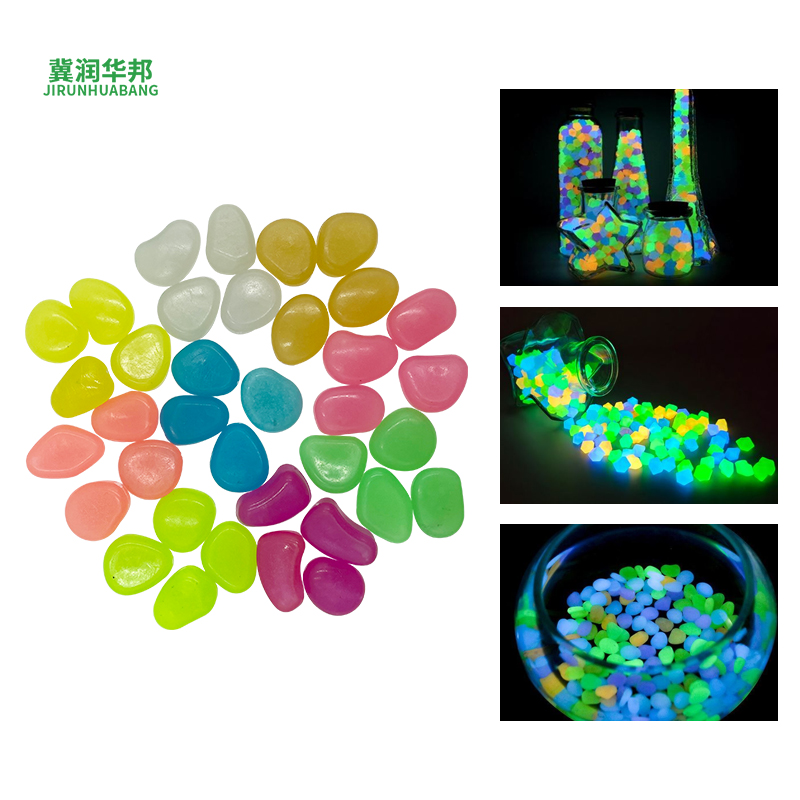
For the right applications, though, they offer fantastic value. If you're decorating a fish tank, sprucing up a bedroom corner, making handmade gifts, or adding subtle glow to a small courtyard, resin luminous stones are a practical, budget-friendly solution. Just keep them out of relentless sun and high-traffic areas, and they will serve you well for years.
 Hot News
2026-03-17
2025-12-08
2025-12-06
2025-12-02

Runhuabang supplies non-metallic minerals, including iron oxide pigments, silica powder, kaolin, diatomite and zeolite and so on, with custom solutions worldwide.
H2-811, Poly International Building, Shifang Road, Chang'an District, Shijiazhuang, Hebei Province
Copyright © Hebei Runhuabang New Material Technology Co., Ltd All Rights Reserved Privacy Policy
 EN
EN