 EN
EN

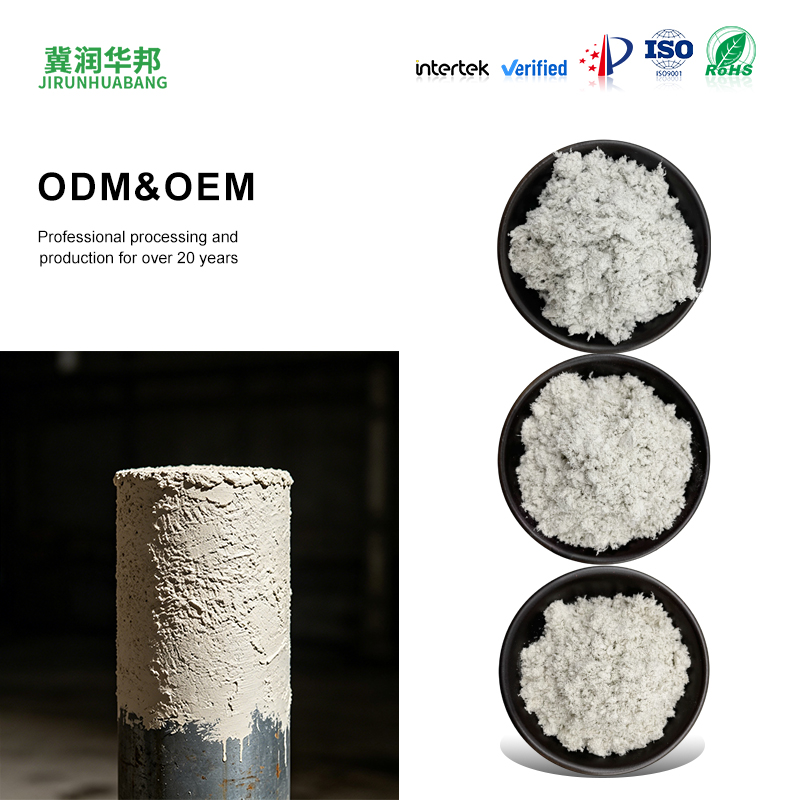
Sepiolite fiber is a natural high-performance mineral fiber with unique microscopic structure and stable physical and chemical properties. It has become an essential functional additive for modern petroleum drilling engineering. Drilling operations face complex underground environments, including variable temperature, unstable formation pressure, easy well wall collapse and fluid loss. Traditional drilling materials often fail to maintain stable working performance under harsh underground conditions. Sepiolite fiber effectively optimizes the performance of drilling fluid and cementing materials, solving many common technical pain points in the drilling process.
The most important application of sepiolite fiber in petroleum drilling is optimizing the performance of drilling fluid. Drilling fluid is the core working medium in drilling operations, undertaking multiple tasks such as carrying rock cuttings, cooling drill bits, stabilizing well walls and balancing formation pressure. Ordinary drilling fluid is prone to stratification, precipitation and viscosity reduction under high temperature and high pressure underground, resulting in poor rock-carrying capacity and unstable fluid performance. Sepiolite fiber has excellent thickening and anti-settling properties. After being added into drilling fluid, it can form a stable three-dimensional fiber network structure, effectively improving the viscosity and shear force of the fluid, preventing solid particles such as rock cuttings from settling, and ensuring continuous and stable working efficiency of drilling fluid.
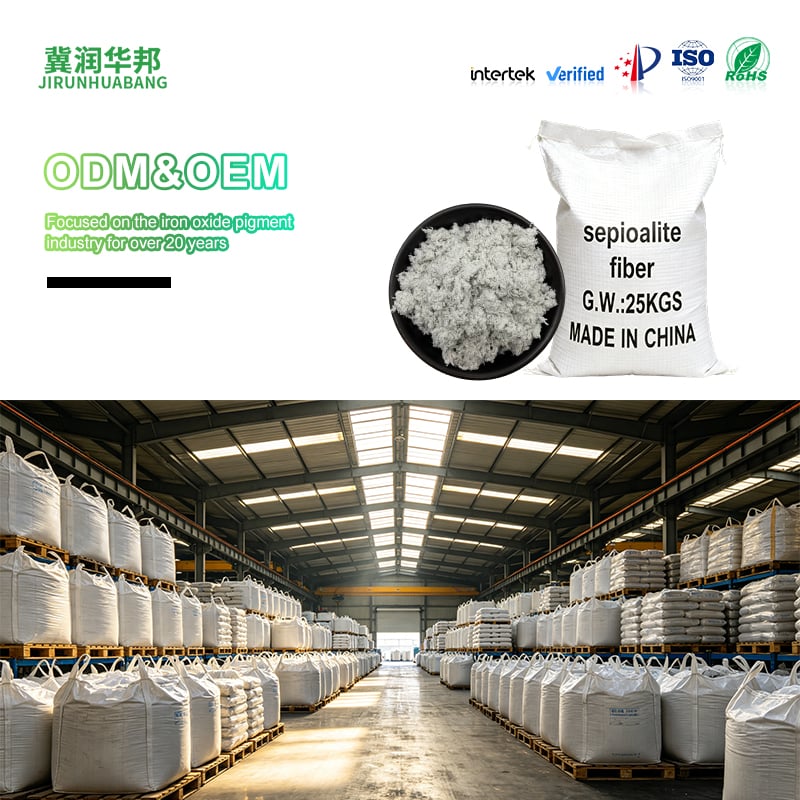
Sepiolite fiber provides outstanding high temperature and high pressure resistance for drilling systems. Deep well drilling often encounters extreme underground high temperature and high pressure environments. Many organic additives and ordinary mineral materials will fail and degrade under long-term extreme conditions, causing drilling fluid performance attenuation and affecting drilling progress. As a natural inorganic mineral material, sepiolite fiber has ultra-stable high temperature resistance and pressure resistance. It will not decompose or lose efficacy in complex deep underground environments, maintaining stable thickening, suspension and wall protection functions, and greatly improving the adaptability of drilling fluid in deep well and complex formation operations.
This fiber material has excellent fluid loss control performance, which can effectively reduce the water loss rate of drilling fluid. During the drilling process, excessive fluid loss will cause well wall shrinkage, formation damage and wellbore instability. The unique microporous structure and fine fiber shape of sepiolite can form a dense and thin filter cake on the well wall surface. The compact filter cake can firmly lock the moisture in the drilling fluid, reduce water penetration into the formation, stabilize the well wall structure, prevent well collapse, sand production and other accidents, and greatly improve the safety and stability of drilling operations.
Sepiolite fiber also plays a key role in lubrication and wear reduction. Friction between the drill string and the well wall will generate large resistance during drilling, which easily causes drill bit wear and increases drilling power consumption. The natural fiber structure of sepiolite has fine lubricating properties. It can effectively reduce the friction coefficient between drilling tools and the well wall, relieve tool wear, lower drilling resistance, extend the service life of drill bits and drilling equipment, and reduce the comprehensive operating cost of drilling engineering.
In addition, sepiolite fiber can improve the quality of well cementing materials. It can be added into cement slurry for well cementing to enhance the toughness and crack resistance of cement stone. Underground formations are affected by pressure impact and temperature changes for a long time, and ordinary cement layers are prone to fine cracks and leakage. The interwoven fiber structure of sepiolite can effectively resist structural deformation and cracking, improve the compactness and durability of cementing layers, prevent channeling and leakage, and ensure long-term stable wellbore sealing effect.
With good salt resistance and corrosion resistance, sepiolite fiber is suitable for various complex formation environments such as salt bed and brine layers. It will not react with underground brine and corrosive media, and can always maintain stable structural and functional characteristics. Meanwhile, it has strong compatibility with various drilling additives, will not produce antagonistic reactions, and can perfectly cooperate with other raw materials to jointly improve the overall performance of drilling systems.
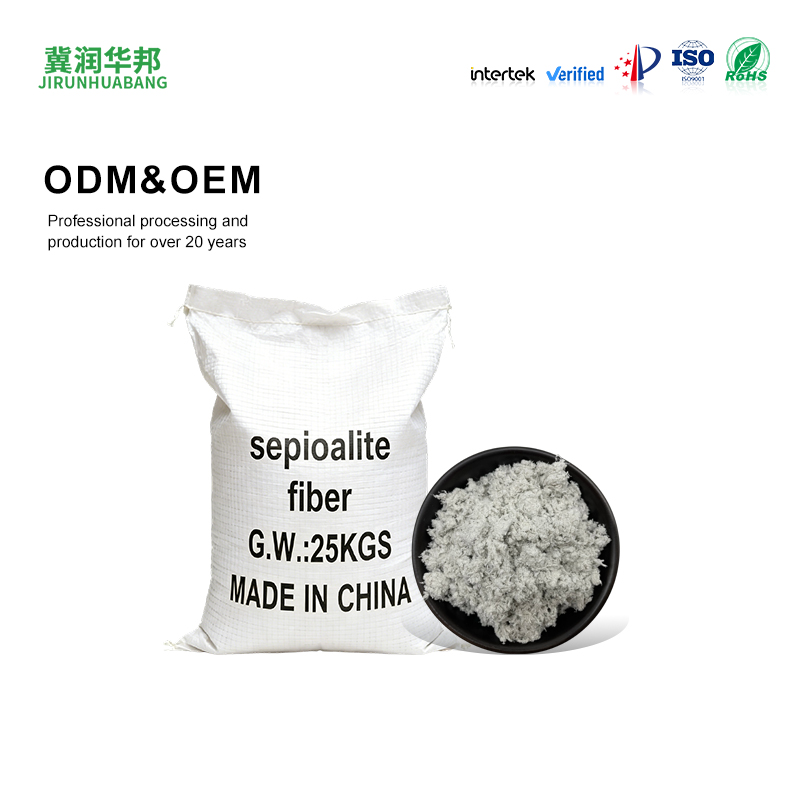
In summary, sepiolite fiber is a multi-functional and high-stability drilling auxiliary material. It solves the defects of poor temperature resistance, easy settlement, large fluid loss and insufficient lubrication of traditional drilling materials. It effectively improves drilling efficiency, ensures construction safety, reduces equipment loss and engineering costs, and is widely applicable to conventional well, deep well and complex formation petroleum drilling projects.