EN
EN

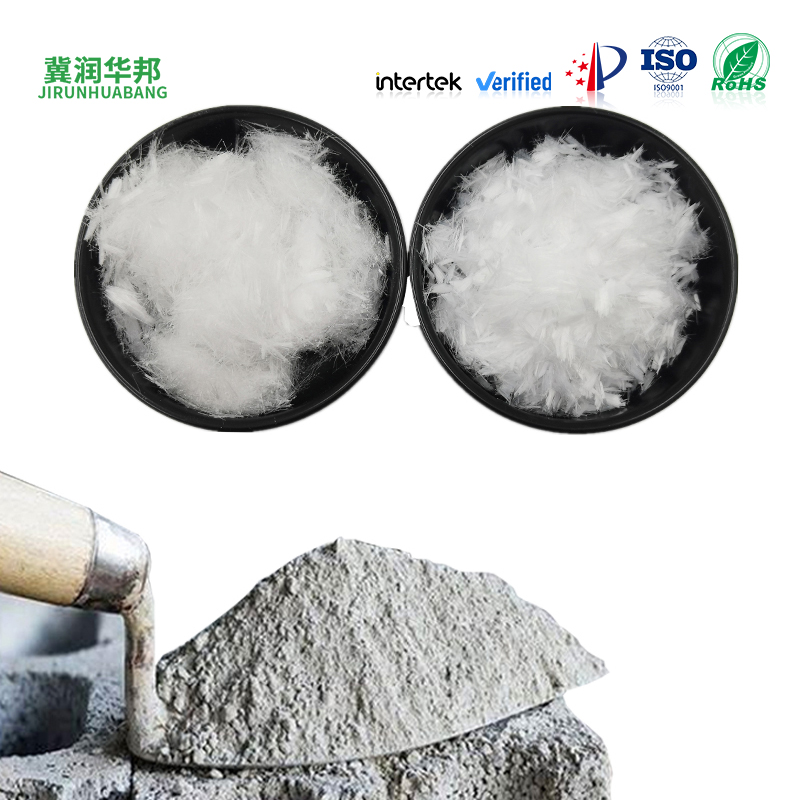
Polypropylene fiber is a high-performance synthetic fiber widely used in modern tunnel construction projects. Tunnel structures face long-term complex working conditions, including underground humidity, frequent temperature changes, ground pressure extrusion and water seepage erosion. Traditional pure concrete and mortar tunnel linings are prone to cracking, peeling, water leakage and aging damage during long-term operation. As an economical and efficient functional additive, polypropylene fiber can significantly improve the structural stability, crack resistance and durability of tunnel concrete, making tunnel engineering safer and more long-lasting. This article explains its core functions and practical advantages in tunnel construction in simple and easy-to-understand language.
The biggest advantage of polypropylene fiber in tunnel engineering is powerful anti-cracking performance. Tunnel concrete will produce obvious shrinkage stress during the setting and curing stage. Affected by underground temperature difference and foundation settlement, micro cracks are easily formed on the surface and inside of the lining layer. These tiny cracks will gradually expand over time, causing structural damage and potential safety hazards. After adding polypropylene fiber, countless fine fibers are evenly distributed inside the concrete to form a three-dimensional network structure. This structure can effectively disperse internal shrinkage stress, restrain the generation of early micro-cracks, and prevent small cracks from expanding into large penetrating cracks. It greatly improves the compactness and integrity of the tunnel lining.
Polypropylene fiber effectively improves the impermeability and waterproof performance of tunnel structures. Water seepage is one of the most common problems in tunnel operation. There are countless tiny capillary pores inside ordinary concrete, which become water seepage channels for underground water. Long-term water penetration will cause lining peeling, steel corrosion, wall mildew and hollowing, seriously affecting the service life of the tunnel. The uniform fiber distribution can block continuous capillary channels, reduce internal water permeability, and improve the overall waterproof and anti-seepage capacity of concrete. It can effectively avoid tunnel water leakage, damp wall and lining damage caused by groundwater erosion.
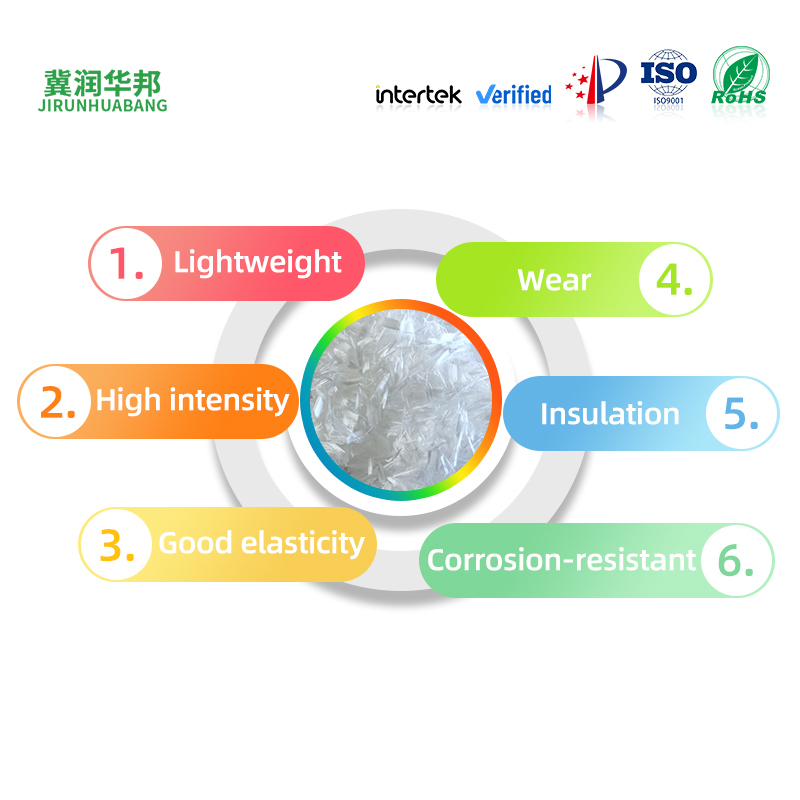
This fiber material significantly enhances the toughness and impact resistance of tunnel concrete. Different from open-air buildings, tunnel structures bear continuous surrounding rock pressure, vehicle vibration and external impact for a long time. Pure concrete is a typical brittle material with poor flexibility. It is easy to peel and damage under long-term vibration and pressure alternating load. Polypropylene fiber can absorb and buffer external impact energy, improve the tensile toughness and flexural resistance of concrete, reduce lining peeling and local falling off, and maintain the long-term flatness and stability of the tunnel wall surface.
Polypropylene fiber has excellent anti-aging and corrosion resistance adapted to underground environments. The underground tunnel space is humid and closed all year round, containing a variety of corrosive substances in soil and water. Ordinary concrete materials are prone to aging and performance degradation. Polypropylene fiber has stable chemical inertness, which can resist acid and alkali corrosion and humid erosion. It will not rot, rust or deteriorate in long-term underground closed environment, always maintaining stable reinforcement and anti-cracking effects, and greatly delaying the aging speed of tunnel lining structures.
In addition, polypropylene fiber improves the fire resistance and high temperature stability of tunnel concrete. In case of accidental high temperature and fire in the tunnel, ordinary concrete is easy to burst and peel rapidly due to internal water vapor expansion. The fine fiber inside the concrete will melt at high temperature to form tiny pores, which release internal steam pressure and effectively prevent concrete bursting and large-area peeling. This performance greatly improves the safety of tunnel structures under extreme high temperature conditions.
In actual construction, polypropylene fiber has strong practicability and low engineering cost. It has good dispersion and will not agglomerate or precipitate during concrete mixing. It does not change the setting time and construction performance of concrete, and does not need to modify construction equipment and processes. With small dosage and obvious effect, it is suitable for large-area tunnel lining concrete, shotcrete support, tunnel bottom pavement and auxiliary structural mortar reinforcement.
To sum up, polypropylene fiber is an indispensable high-quality additive for modern tunnel engineering. It solves the common defects of traditional tunnel concrete such as easy cracking, poor water resistance, brittle structure and short service life. It effectively improves the overall structural strength, waterproof performance, impact resistance and anti-aging ability of tunnel engineering, reduces later maintenance costs, and ensures long-term safe and stable operation of tunnel projects.