 EN
EN

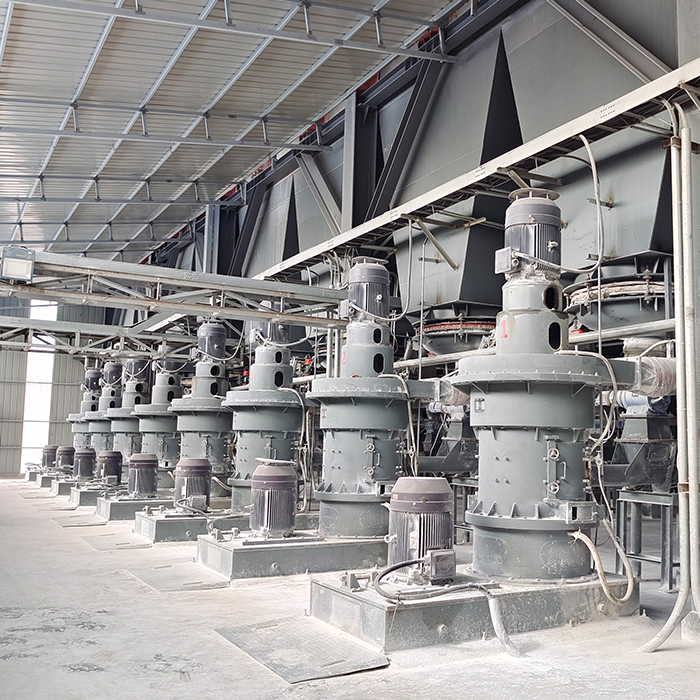
After understanding the essential physical differences between precipitated barium sulfate and barite powder, it is more important to master their application advantages, cost characteristics and accurate selection rules, which can help enterprises optimize production costs and improve product quality. Although both can be used as industrial fillers, their applicable scenarios, final product effects and economic benefits are completely different. There is no absolute good or bad between the two materials, only the most suitable one for the production demand. Blindly choosing high-priced precipitated barium sulfate or low-cost barite powder will lead to resource waste or product quality decline.
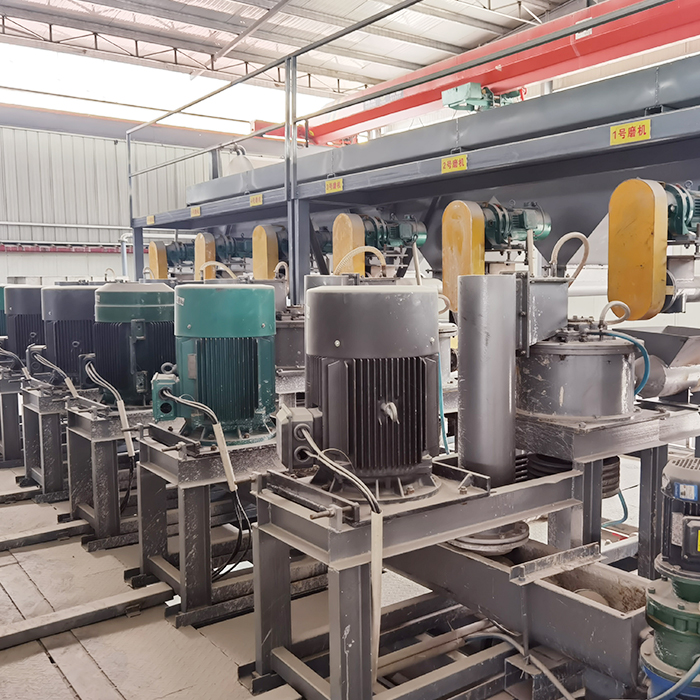
Barite powder is positioned as an economical and practical general filler, with the core advantages of low cost, high density and strong durability. Due to its low purity, limited whiteness and coarse particles, it is mostly used in low and medium-end industrial scenarios that do not require high surface fineness and color performance. Its most common applications include ordinary industrial primer, anti-corrosion coatings, construction putty, low-grade plastic products, rubber padding materials and road marking materials. In addition, high-density barite powder is widely used in oil and gas drilling industry as drilling mud weighting agent, which can effectively increase mud density, balance underground pressure and prevent well collapse, relying on its unique high specific gravity and stable physical properties. It is also commonly used in concrete weighting and radiation protection engineering due to its low price and stable structure.
Precipitated barium sulfate is a high-end functional filler with high purity, high whiteness, ultra-fine fineness and excellent dispersion, focusing on high-precision and high-quality industrial manufacturing fields. It is the preferred material for high-gloss coatings, automotive paint, architectural topcoat, high-grade ink, cosmetic-grade fillers, medical coating materials and high-transparency plastic products. In paint and ink production, its uniform fine particles can significantly improve the surface gloss, flatness and weather resistance of products, avoiding rough surface and color fading problems caused by coarse particles. In plastic and rubber industry, it can enhance the tensile strength, wear resistance and anti-aging performance of products without affecting the transparency and appearance quality of finished products. Moreover, its pure and impurity-free feature makes it suitable for food-contact packaging materials and medical auxiliary materials with strict safety standards.
The cost and batch stability of the two materials also differ greatly. Barite powder relies on natural ore processing, with simple production processes and low production costs, so its market price is very competitive. However, its quality is restricted by ore origin, and impurity content and whiteness may fluctuate in different batches, leading to slight differences in finished product quality. Precipitated barium sulfate requires complex chemical reaction, purification and fine processing procedures, resulting in higher production costs and higher market prices. But it has extremely high batch stability, with consistent particle size, whiteness and purity in all production batches, which can ensure stable and uniform quality of high-end finished products and reduce the rate of defective products.
To sum up, the selection rule is clear: choose cost-effective barite powder for low-end, heavy-duty and non-high-gloss industrial products and engineering projects to control production costs; choose high-performance precipitated barium sulfate for high-gloss, high-purity, high-precision and safety-standard products to guarantee product competitiveness. Many manufacturers will also use the two materials in a mixed ratio according to production needs, balancing quality and cost. Mastering the differences and application characteristics of the two barium sulfate materials can help every customer make the most professional and cost-effective purchasing decision.