 EN
EN

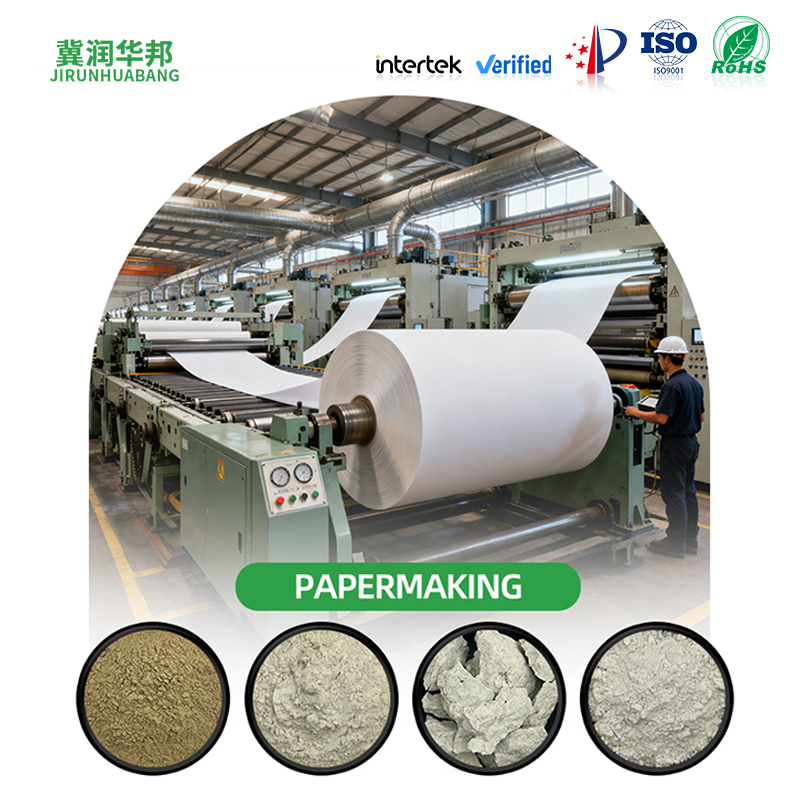
Bentonite, hailed as "universal clay," is a layered silicate mineral with montmorillonite as its main component. Its unique properties, including water absorption and swelling, bonding, thixotropy, adsorption, and catalysis, have made it an indispensable basic material in industry, agriculture, environmental protection, and medicine. In the environmental field, it can efficiently adsorb heavy metal ions from industrial wastewater; in agriculture, it can improve soil structure and enhance water and fertilizer retention capacity. With the continuous development of green technologies, bentonite also shows great potential in the preparation of new energy materials, serving as an auxiliary component in battery separators and energy storage materials, and its application value continues to expand.
I. Main Classifications of Bentonite
Sodium-based Bentonite: With montmorillonite as its core component, it has high swelling capacity, strong bonding force, and high temperature resistance, mainly used in casting and drilling mud. As a molding sand binder, it can significantly improve the surface quality and dimensional accuracy of castings.
Calcium-based Bentonite: Also mainly composed of montmorillonite, but with relatively weaker swelling properties, it is widely used in soil improvement and feed additives, adjusting soil structure and improving soil fertility.
Organic Bentonite: Obtained through organic cation exchange modification to achieve hydrophobicity, it is widely used in coatings, inks, cosmetics, and other daily chemical products. It acts as a stabilizer, optimizing product performance.
II. Core Characteristics of Bentonite
Hydrophilic Swelling:** Sodium-based bentonite can expand several to tens of times its original volume after absorbing water, forming a stable gel. It is commonly used in building waterproofing and landfill seepage prevention systems.
Adhesion and Thixotropy:** It forms a high-viscosity suspension under external force, regaining its fluidity upon settling. Suitable for casting and oil drilling. In drilling mud, it can stabilize the wellbore, carry cuttings, and improve operational efficiency.
Adsorption and Catalysis:** It can adsorb heavy metals and organic pollutants and can also act as a catalyst carrier. In wastewater treatment, it efficiently removes harmful substances and promotes efficient chemical reactions.
Suspension and Plasticity:** It forms a stable suspension system in water, suitable for industries such as coatings and ceramics, ensuring uniform dispersion of additives and guaranteeing stable product quality.
III. Diverse Applications of Bentonite
1. Industrial Sector
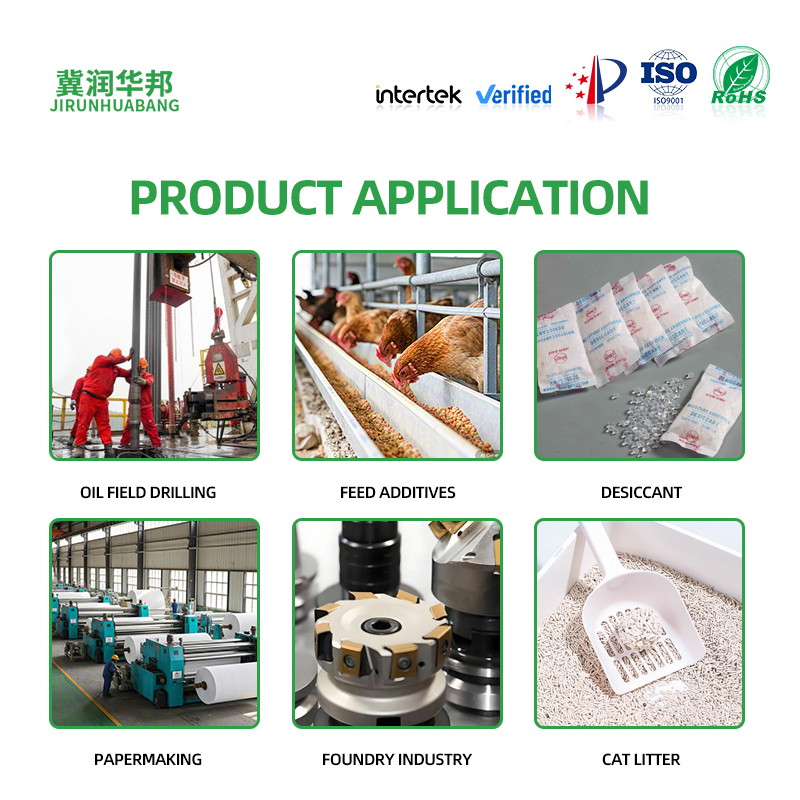
In the foundry industry, it is used as a molding sand binder to reduce casting defects and lower production costs; in oil drilling, it is used to formulate drilling fluids to prevent blowouts and improve drilling efficiency; in metallurgical pelletizing, it is used as a binder to improve pellet strength and smelting efficiency; in the paper industry, it is used as a filler, coating, and deinking agent to improve paper smoothness and printability; in the chemical industry, it is used to produce activated clay, desiccants, catalysts, etc., supporting the improvement of quality and efficiency in the petrochemical industry.
2. Agricultural Sector
As a soil conditioner, it regulates pH, retains water and fertilizer, and supports the sustainable development of agriculture in arid regions; as a feed additive, it acts as a binder and nutrient carrier to promote digestion and absorption by livestock and poultry; as a pesticide carrier, it enables slow-release of pesticides, prolongs efficacy, and reduces ecological pollution.
3. Environmental Protection Sector
It adsorbs heavy metals and organic matter in industrial wastewater, purifying water bodies; it removes sulfur oxides and nitrogen oxides from flue gas from coal-fired power plants, alleviating air pollution.
4. Pharmaceutical and Daily Chemical Industries
Used as a drug carrier to achieve sustained release, improving efficacy and reducing side effects; used as a thickener and adsorbent in cosmetics such as face masks and toners; added to detergents to enhance detergency and reduce phosphorus pollution, meeting green cleaning requirements.
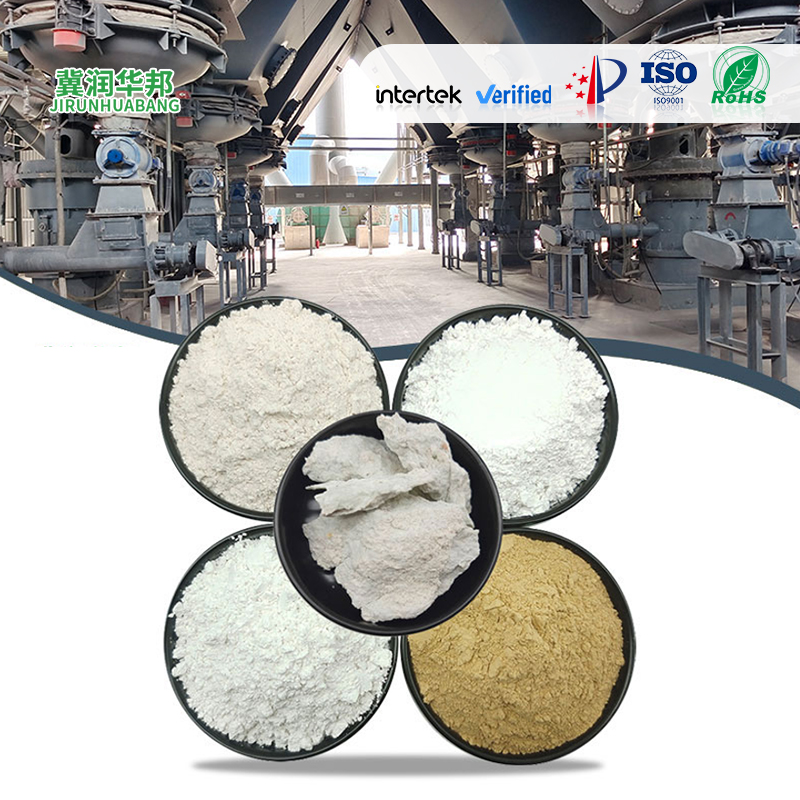
IV.Bentonite Processing and Modification Technology
Purification: Impurities are removed through water selection, acid washing, and high-temperature calcination to increase montmorillonite content, meeting the requirements of high-end applications such as pharmaceutical carriers.
Modification: Sodium modification converts calcium-based bentonite to sodium-based, enhancing its expansion and bonding properties; organic modification imparts hydrophobicity to products, making them suitable for high-end industrial applications such as coatings and inks.
V. Conclusion
Bentonite plays an irreplaceable role in many fields due to its unique physicochemical properties. With the deepening of environmental policies and the upgrading of industrial technology, its application scope continues to expand. In the future, through in-depth purification, modification research, and functional expansion, bentonite will achieve breakthroughs in high-end materials, new energy, and biomedicine, becoming an important natural mineral material for promoting green economic development.