 EN
EN

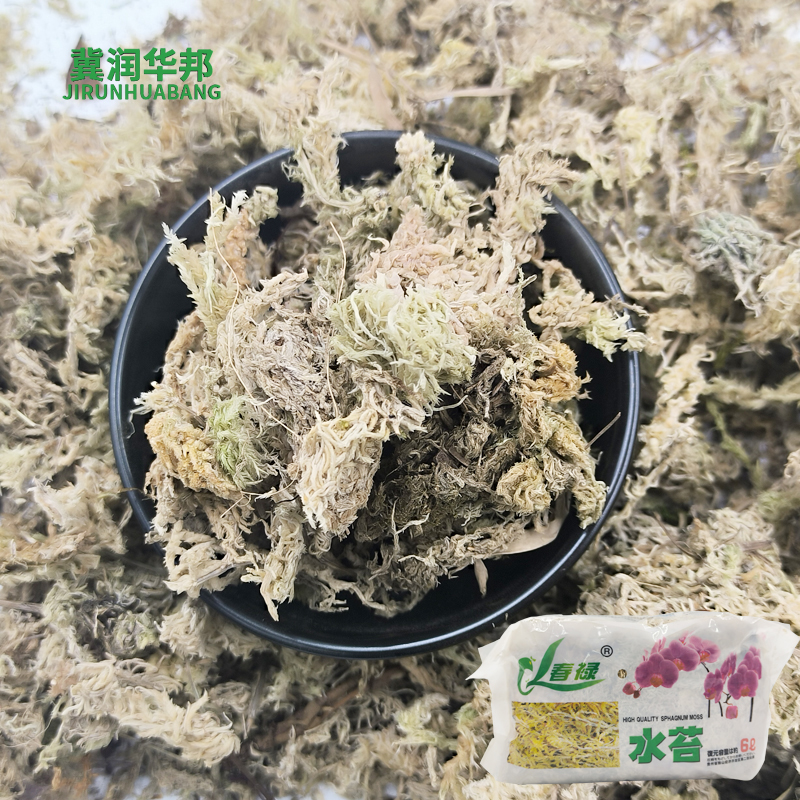
Sphagnum moss is far more than a common horticultural material; it is a pivotal ecological builder that shapes and maintains global wetland systems with unique biological characteristics. As a foundational wetland plant, it participates in and promotes the formation and evolution of bog ecosystems, performing diverse ecological functions that cannot be replaced by other vegetation. Unlike ordinary aquatic and terrestrial plants, sphagnum moss can adapt to ultra-low nutrient, acidic, and waterlogged barren environments. It continuously accumulates biomass year by year, gradually raising the ground height of wetlands and transforming shallow water depressions into stable peat bog habitats. This unique ecological succession ability allows it to create brand-new ecological spaces for various organisms, greatly enriching the structural complexity of regional natural environments.
In global ecological governance and climate regulation, sphagnum moss holds extraordinary strategic value. Its slow decomposition rate in waterlogged anaerobic conditions enables long-term carbon sequestration for hundreds or even thousands of years. The peat lands formed by sphagnum moss accumulation cover a small part of the global land area but store nearly one-third of the world’s terrestrial carbon reserves, effectively curbing greenhouse gas emissions and mitigating the heat island effect of regional climates. Apart from carbon fixation, sphagnum moss communities excel in hydrological ecological regulation. The dense and porous moss layer can intercept rainwater, reduce surface runoff velocity, and alleviate flood pressure in rainy seasons. Meanwhile, it conserves groundwater resources and slows down land desertification in dry seasons, serving as a natural ecological reservoir for regional water circulation.
Moreover, sphagnum moss releases natural acidic substances during growth, which inhibit the survival and reproduction of harmful pathogens and algae in wetland water bodies. This natural purification effect effectively prevents water eutrophication and maintains the health and stability of wetland water environments. These well-preserved sphagnum wetland ecosystems become exclusive shelters for many endangered species, including rare frogs, aquatic insects, and bog-specific wild plants. They form an independent and complete food chain, protecting regional biological gene diversity and maintaining the stability of the global ecological network.
However, uncontrolled commercial exploitation and blind wild picking in recent decades have caused severe damage to native sphagnum wetlands. Large areas of moss beds have degraded, leading to peat exposure, carbon release, wetland shrinkage, and the destruction of wildlife habitats. To reverse this ecological crisis, modern environmental protection industries have formulated scientific sustainable utilization systems. Large-scale artificial planting, standardized resource harvesting, and wetland ecological restoration projects have been widely promoted. Regulated picking only harvests renewable surface moss without damaging underlying peat layers, realizing cyclic regeneration of resources. The combination of ecological protection and industrial standardized development not only meets the stable market demand for sphagnum moss but also protects fragile wetland ecosystems, achieving a win-win model of ecological sustainability and green economic development for long-term natural environment protection.