 EN
EN

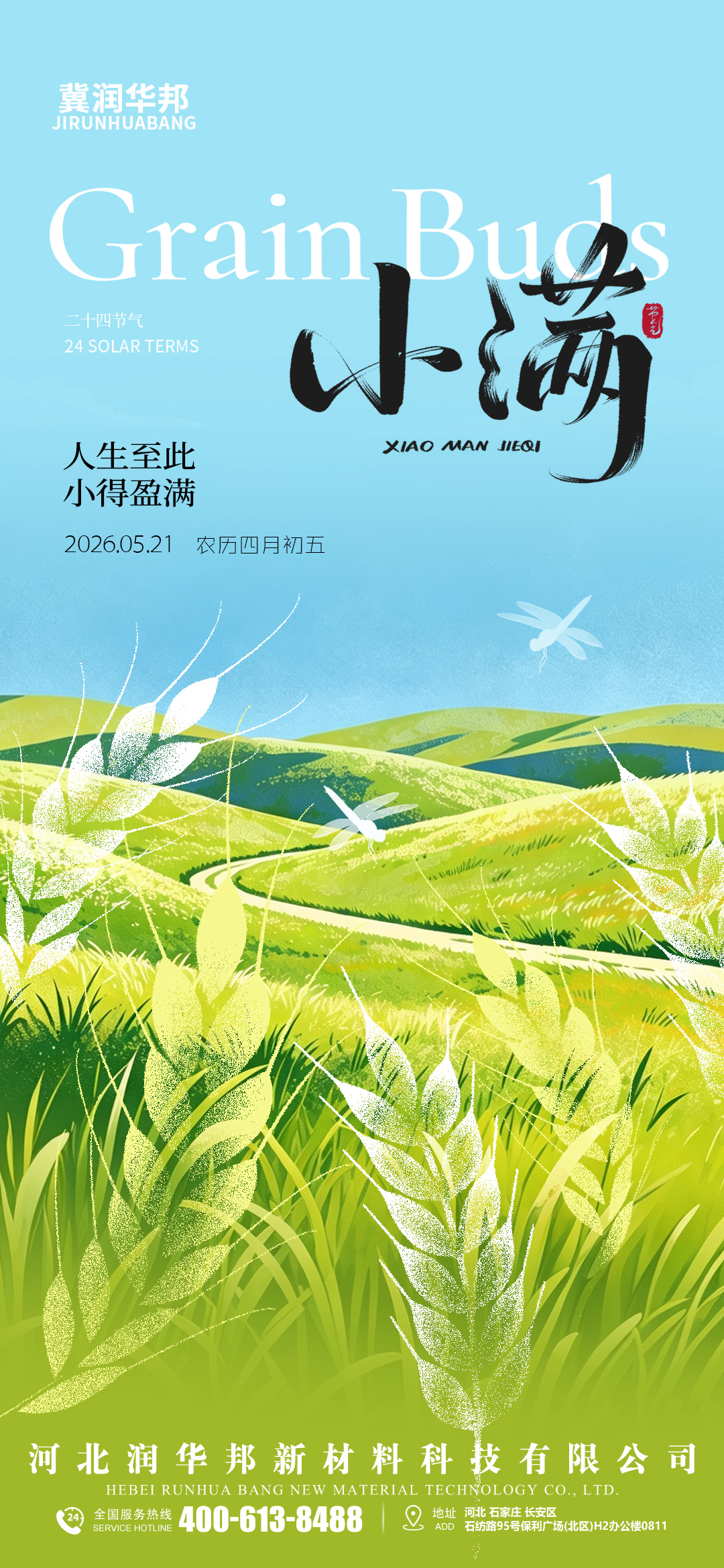
Grain Buds has been an important farming festival since ancient times, carrying rich folk customs and profound agricultural civilization heritage. In traditional rural China, this solar term kicks off the busy season of summer harvesting, summer sowing and summer field management. Farmers follow the old proverbs closely: in the north, they guard wheat fields carefully, preventing dry hot wind, pests and sudden hail to ensure plump wheat grains; in the south, they race to irrigate rice fields, retain water for farmland, and apply topdressing for seedlings to lay a foundation for rice harvest. The farming motto “If Grain Buds lacks water, field ridges will crack” has been passed down for generations, reminding people to value water conservancy and seize farming time.
One of the most well-known customs is “operating three carts during Grain Buds”, referring to the waterwheel, oil press cart and silk reeling cart. Farmers turn waterwheels to divert river water into rice fields for irrigation; rapeseeds are harvested and sent to oil presses to extract fresh vegetable oil; silkworm farmers start running silk reeling carts as silkworms form cocoons, preparing for silk production. In Jiangsu and Zhejiang provinces, the Silkworm Worship Festival is held during Grain Buds. Local people regard this time as the birthday of the silkworm goddess, holding sacrificial ceremonies and theatrical performances to pray for a smooth silkworm cocoon harvest and prosperous silk business, reflecting the important status of sericulture in southern agriculture.
Another popular custom is eating seasonal wild vegetables and bitter greens. As summer yang energy rises and internal heat easily accumulates, people eat bitter herbs, amaranth and other wild greens to clear heat, detoxify and regulate the body. It is also the season for ripe mulberries and cherries; these sweet seasonal fruits become natural summer delicacies. All folk customs of Grain Buds originate from farming life, integrating production, diet and spiritual prayer. They are not only a way for ancient people to adapt to seasonal changes but also a precious part of traditional Chinese folk culture, passing on the simple life philosophy of respecting nature and working diligently.