As the world focuses more on low-carbon living and circular economies, old materials that pollute heavily, don’t break down, or can’t be recycled are being phased out. Green, energy-saving, recyclable alternatives are now the norm. Polypropylene fiber, a well-established synthetic material, has great sustainability credentials when it comes to energy use, environmental fit, waste recovery, and low emissions. It’s become a model green industrial fiber for our times, meeting both production needs and global environmental goals.
First off, making polypropylene fiber uses very little energy and produces low carbon emissions, giving it a clear green manufacturing edge. Compared to polyester, nylon, or other synthetics, PP fiber production is simpler—fewer reaction steps and lower energy demands. The polymerization and spinning processes don’t need extreme heat or pressure, so energy use per unit is much lower than for other chemical fibers. Also, the process releases almost no toxic gases, wastewater, or solid waste. Pollution is minimal. And unlike cotton farming, which guzzles water and relies on fertilizers and pesticides, PP fiber saves huge amounts of water and land while avoiding agricultural chemical runoff.
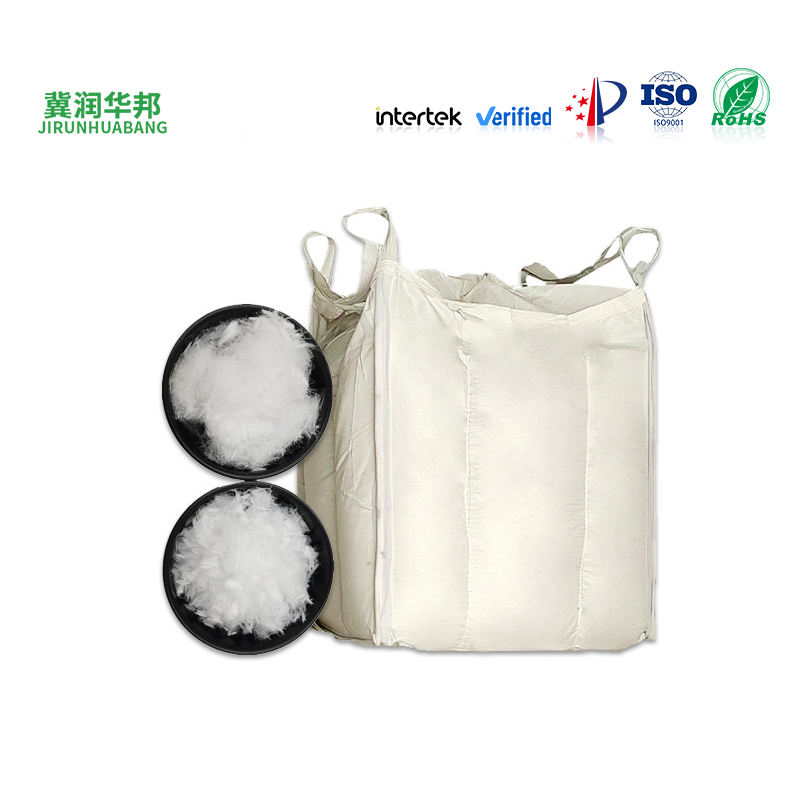
The long life and durability of polypropylene fiber also bring indirect environmental benefits. Most PP fiber products stay stable for 10 to 30 years in normal use, and even in tough industrial or outdoor conditions, they outlast natural fibers and many synthetics. Longer life means fewer replacements, less industrial waste, and savings on raw materials and energy that would otherwise go into making new products. In infrastructure like roads, bridges, and water systems, PP fiber cuts down on how often projects need repairs or rebuilding, avoiding the waste and environmental harm of repeated construction. This helps save energy and reduce emissions over the full life of a project.
One of the biggest sustainable advantages of polypropylene fiber is that it’s 100% recyclable and reusable. Polypropylene is a thermoplastic with a stable molecular structure, so after waste is collected, it can be melted, respun, and reprocessed without losing its basic properties. Old PP fiber products—whether textile scraps, leftover construction materials, or worn-out geotextiles and filters—can be fully recycled by shredding, melting, extruding, and spinning into new PP fiber or other plastic products. These recycled materials perform reliably and can be used again in industrial supplies, consumer goods, or engineering materials, closing the loop on resource use.
Unlike non-recyclable fibers like fiberglass or asbestos, polypropylene fiber doesn’t create secondary pollution during recycling. When melted and reprocessed, it releases no toxic gases or harmful residues. The whole process is safe and clean. Today, recycling technology for PP fiber is highly advanced, and recycling rates are rising. Large amounts of recycled PP fiber are already being used in non-wovens, fillers for engineering, and lower-speed textiles. This cuts down on the need for virgin petroleum-based raw materials, reduces resource consumption, and eases the environmental burden of plastic and fiber waste.
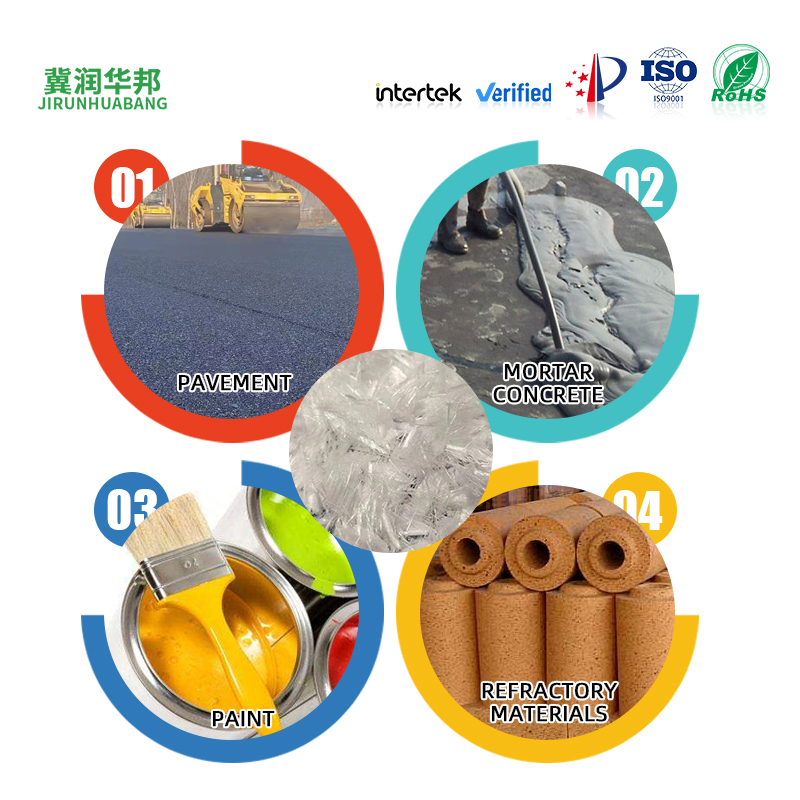
In terms of safety and ecological compatibility, polypropylene fiber is non-toxic and harmless. Pure PP fiber contains no formaldehyde, heavy metals, or volatile dangerous substances. It doesn’t release toxic gases during long-term use, so it’s safe for people, soil, and water. Unlike some modified synthetics that leach harmful chemicals in wet conditions, PP fiber is chemically stable and doesn’t leach anything. That’s why it can be used safely in medical and hygiene products, food packaging, baby items, and ecological projects. Even if it ends up abandoned in nature, it won’t release toxic pollutants, and over time it will degrade naturally without causing permanent environmental harm.
What’s more, polypropylene fiber can be combined with biodegradable modification technology to make it even greener. Thanks to advances in material science, degradable PP fiber has been developed. By adding biodegradable additives and eco-friendly modifiers, the fiber can break down on purpose in certain environments, solving the problem of leftover waste fiber pollution. At the same time, flame-retardant, antibacterial, and UV-resistant PP fibers all use green modifiers, avoiding toxic additives. This way, functional improvements don’t come at the cost of environmental performance.
With global carbon reduction goals in mind, polypropylene fiber’s low-carbon manufacturing, long service life, and recyclability make it a key material for green industrial upgrades. It replaces high-pollution, high-energy traditional materials in many industrial settings, cutting carbon emissions and environmental pressure while offering reliable support for sustainable development across multiple sectors. Looking ahead, as recycling and green modification technologies keep improving, polypropylene fiber will play an even bigger role in environmental protection and the low-carbon economy.
 Hot News
2026-03-17
2025-12-08
2025-12-06
2025-12-02

Runhuabang supplies non-metallic minerals, including iron oxide pigments, silica powder, kaolin, diatomite and zeolite and so on, with custom solutions worldwide.
H2-811, Poly International Building, Shifang Road, Chang'an District, Shijiazhuang, Hebei Province
Copyright © Hebei Runhuabang New Material Technology Co., Ltd All Rights Reserved Privacy Policy
 EN
EN