Carbon black is a versatile industrial carbon material formed by the controlled incomplete combustion of fossil fuels. Unlike common black soot, it is a high-purity nanoparticle material with stable chemical properties and adjustable structural features. For decades, it has been a fundamental ingredient in global manufacturing, and its continuous technological upgrades keep it indispensable in modern industries, especially with the rising demand for sustainable production.
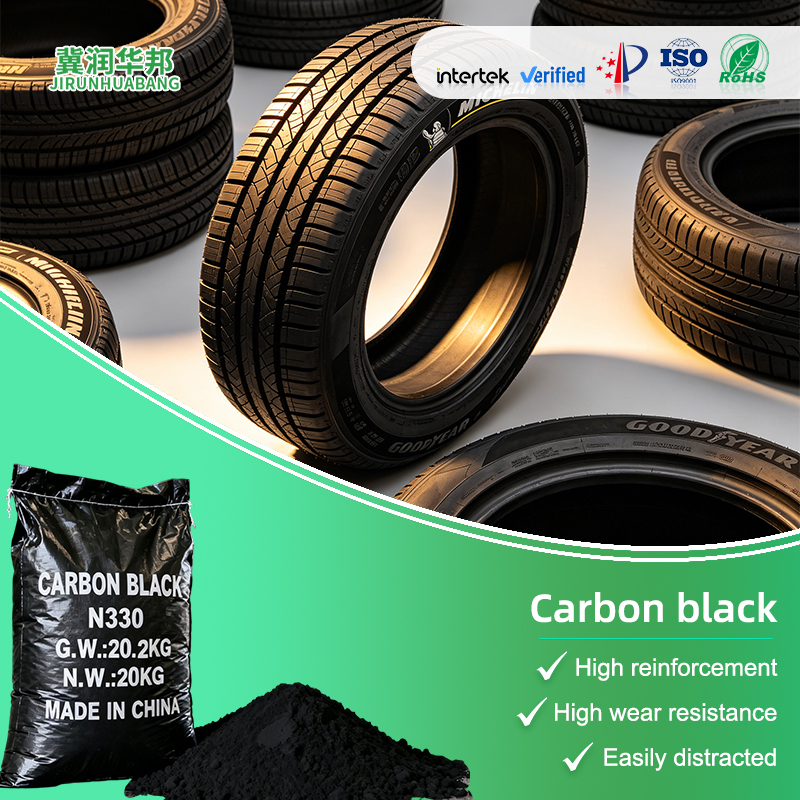
Rubber manufacturing remains the largest consumption field of carbon black, covering nearly 90 percent of its global output. Beyond basic tire reinforcement, it greatly improves the wear resistance, tear strength and thermal stability of various rubber products. Industrial hoses, conveyor belts, rubber seals and sports shoe soles all rely on carbon black to extend service life and withstand harsh working environments. It effectively disperses heat generated by friction, avoiding premature aging and damage of rubber parts under long-term mechanical operation.
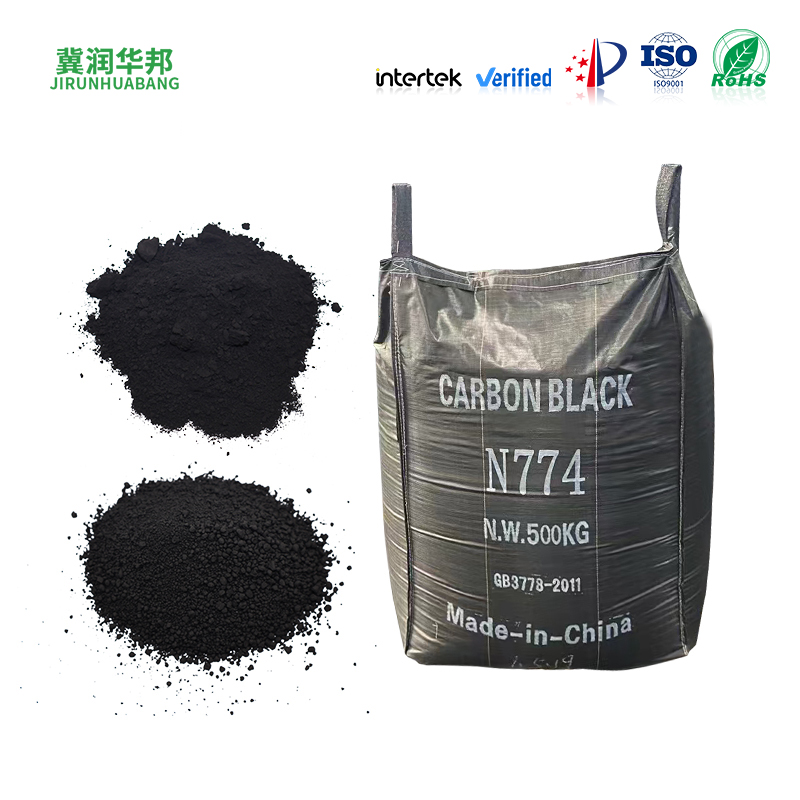
In the plastic and coating industries, carbon black acts as both a functional additive and a high-quality colorant. Its superior ultraviolet absorption capacity protects plastic products from sun-induced brittleness, cracking and fading. Outdoor plastic pipes, agricultural greenhouse films and electronic device shells all use carbon black to achieve long-term anti-aging effects. Meanwhile, it provides uniform, fade-proof black tones for industrial coatings, printing inks and packaging materials, ensuring stable color performance in diverse weather conditions.
The biggest modern breakthrough for carbon black lies in its circular economy development. Traditional carbon black production once faced challenges of high energy consumption and carbon emissions. Today, mature tire pyrolysis technology enables effective recovery and regeneration of waste carbon black from scrapped rubber products. Recycled carbon black can replace virgin materials in most industrial scenarios, greatly reducing resource waste and lowering industrial carbon footprints.
Major manufacturers are also optimizing production processes to develop low-pollution, low-toxic carbon black products that meet international environmental standards. These eco-friendly grades are widely used in food packaging inks, children’s product plastics and outdoor environmental protection materials. With the global push for green manufacturing, carbon black is transforming from a traditional industrial filler to a low-carbon, recyclable functional material.

 Hot News
 EN
EN